
|
If you’re looking to sell your home, then the aim is likely to get the best possible sell in the lowest amount of time. You don’t want to be waiting for the market to take notice, you want to get interest fast. To that end, you want to make sure that you’re ready to get the ball rolling. Finding the right help can make that a lot easier. Here, we’re going to look at some of the professionals that you may want to look into working with.  Source - CC0 License Realtors The very first step you should take in selling your home is to find the right realtor, or real estate agent. This is the person who knows the area and recent sales, as well as bringing a decent selling record themselves. They can help you get the ball rolling in terms of getting your home valuated, putting a sale listing up online, and managing any buyers that come your way. The best realtors are active in lining up your property with the potential buyers that are most likely to show an interest in your property. Just do bear in mind that it’s usually the seller who has to pay the commission for not just your own real estate agent, but the agent helping the buyer with the purchase, too. Inspectors Your realtor might be able to hook you up with a home inspector if you ask them but, otherwise, you should take the time to find them, yourself, as well. Aside from the basic valuation you need to do of your property, you might want to take the time to hire independent home inspectors who can take a look through the property to present a report on its condition. Not only can this help highlight any issues that you might want to take the time to fix before any buyers start taking a closer look, but this level of transparency and openness can help buyers get the idea that you’re worth trusting. Some buyers will have their own property inspectors or insist that you use one, so this can help to head off those concerns, as well. Lawyers Buying or selling a house is, at its basic form, a legally binding transactional contract. You might think that sounds relatively simple and, indeed, in the best cases, it goes smoothly, without issue. However, that’s not to say that property is a legally simple matter, by any means. It’s certainly not. The process of selling itself can experience a host of legal issues, property disputes can arise, and you might be looking for legal advice on how to handle remaining property tax. Whatever the case, it’s a good idea to have some real estate legal assistance on standby. They can also offer you help during the buying process, as well, which may go hand in hand with selling your home.  Source - CC0 License Storage facilities Aside from facilitating all of the necessities of selling a home, you should be thinking about how to best get it ready for the buyers, as well. One of the first steps that you want to take is to get rid of the clutter in the household. If you don’t already have a property to move your belongings to, then you might want to look at hiring a self-storage facility that can serve as the temporary accommodation of the items that might be making your property look a little too lived in. When they’re looking around, most buyers want to be able to envision their life there, and that can be difficult if there’s a little too much of you and your family still in there. Home stagers That said, you don’t want to leave a home entirely bare. There is a happy middle ground between showing off your home with all of your clutter in there and having a completely empty property. With the help of home staging services, you can rent and display furniture and decor pieces that help you show off the kind of potential life that can be shown in your home. Home staging design tends to opt towards more neutral looks, appealing ot as wide a base of buyers as possible, but chooses furniture and decor pieces that are designed to best fit and suit the space, to give the best possible image of what living there might look like. Photographers In a lot of cases, your realtor is going to take care of this part for you but, if you want to make sure the very best chances of selling your home, then you want to ensure that there are good photographs to post in your listings. A property photographer is important for making sure that you are able to accurately capture the dimensions and space available in each room, but can also play a role in showing off the curb appeal of the property and framing it against the landscape in a way that is as flattering as possible. You want to strike a balance between clear and informative portrayal of the property, but also making it look just that touch more attractive. 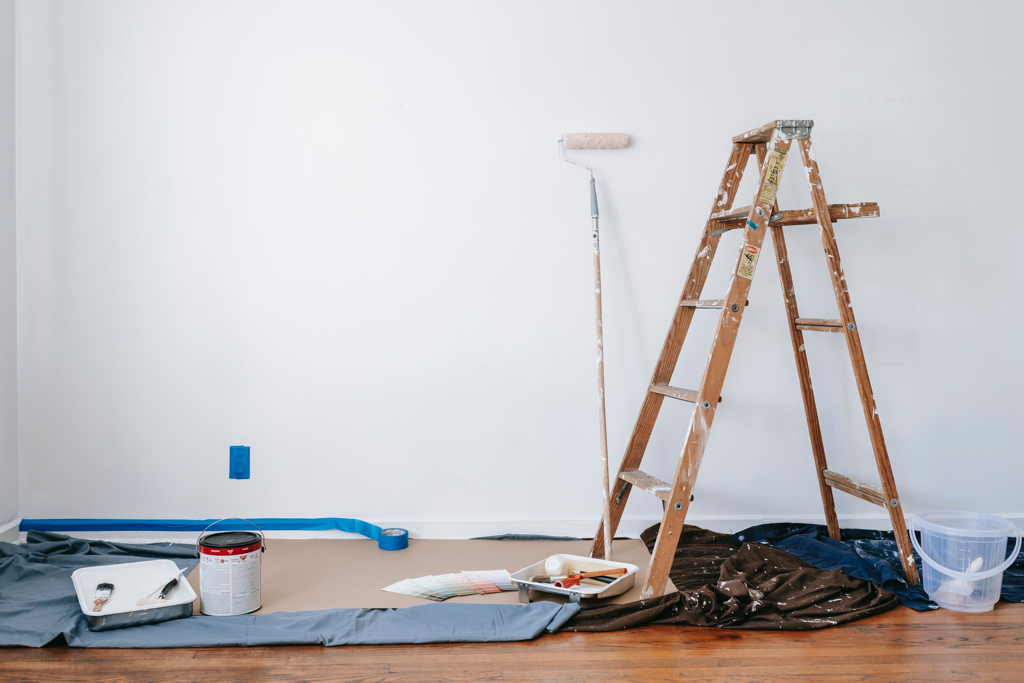 Source - CC0 License
Repairmen One of the single best tips to help you sell your home is to make sure that it doesn’t have any lingering issues that a potential buyer is going to immediately spot. Some buyers might simply point them out with the expectation that you fix them, but some might be put off the sale by the fact that they can spot blatant issues in the first place. Find your local tradespeople to help you take care of the necessary fixes in the home, or take the time and effort to make those fixes yourself. Similarly, you may want to consider hiring a local gardener or tree service provider to help improve your curb appeal, too. Depending on the particulars of your situation ,you might not need every one of the professional services above. However, if you’re beginning the home selling process and you’re wondering what you might be missing, this is a good list to start with.
0 Comments
Are you on the fence about renting an apartment while you search for your dream home? Let’s be realistic. Finding your dream home can take a long time, and more often than not, you’ll be looking at several years of researching and waiting for a property to become available. So, why should you purchase a home you have no intention of keeping in the meantime? While buying or renting is a common dilemma, there are some compelling reasons to consider this option. Here are some of the best reasons why people choose to rent rather than buy and why it works for them.  Unsplash - CC0 License
A stress-free move-out So, you’ve finally found your dream home and are ready to move in? Congratulations! But if you already are a homeowner, you know that you’ll have to sell to afford to buy, and this can be extremely stressful. We’ve all heard the horror stories of the chaos that can ensue when you decide to leave your own property. There is so much to do when you need to sell your home, pack your belongings, and make sure you can do everything on time. This is a daunting task filled with uncertainty. Needless to say, this can feel like a rollercoaster ride, from setting the right price to packing boxes , the process can take a toll on your nerves. However, when you live in a rented apartment, there are a lot of things you don’t need to worry about. When the time comes to move out, all you need to do is give your landlord notice and pack your bags. Typically, you won’t have to worry about packing many belongings, as renters tend to own less than homeowners. Partially furnished comfort One of the perks of renting is that many apartments come partially furnished with high-quality appliances. While, as a tenant, you are likely to need to buy furniture, there is no denying that buying a bed and a table will always be cheaper than kitchen appliances. As you don;’t need to invest in or move your own appliances, the transition is a lot smoother. You can enjoy the convenience of a fully equipped kitchen, ready-to-use washer and dryer, and even stylish bathroom without having to spend a cent. This presents many advantages from the perspective of a prospective buyer. First of all, you don’t need to purchase temporary appliances that you are unlikely to take in your dream home once you buy. Secondly, this alleviates the stress of moving in and out of a rental. Hassle-free maintenance Every homeowner knows about the cost and hassle of taking care of all the repairs and maintenance needs. But, as a tenant, you only need to pick up the phone and call your landlord to let them know that something went wrong. Whether it is a leaky faucet, a malfunctioning HVAC unit, or even a broken window, the responsibility typically falls on the landlord to fix these issues. As a tenant, this leaves you with considerably less stress, as you don’t need to worry about keeping the property in tip-top condition. In conclusion, if you are looking for a specific property that is unlikely to appear on the real estate market any time soon, you may want to move into a rented property while you wait. This will not only save you a lot of costs and hassles, but it can definitely make the transition a lot smoother when you move out.  Image Credit: Jason Dent from Unsplash.
Real estate is almost always a recommended industry to get into. There are multiple ways you can get into this, ranging from investing to becoming a real estate agent. These all boast a great income, and they’ll all be interesting jobs. No matter which one you go for, you’ll want to succeed in real estate. That’s often easier said than done. With the various moving parts and multiple other factors, it can often be complicated. It could be worth using a few real estate tips to help you with this. By using them and being practical, you shouldn’t have a problem seeing success. It’s worth diving into five of the most notable of these. Succeed In Real Estate: 5 Practical Tips 1. Create A Plan For Success Nobody ever sees success without some kind of plan. You’ll need to develop this as early as possible, as well as to actually stick to it. The more comprehensive you are with your plan, the better you’ll end up. You’ll need to include quite a few things in this plan, many of which will already be obvious. Your real estate goals, strategies to make money, your unique selling proposition, and similar areas should all be covered in this. Be as detailed as possible when you’re putting this together. While not everything will go to plan, it’s still worth having this in place and trying to stick to it. 2. Network The value of networking can’t be understated in real estate. By networking, you can get to know other professionals in the industry, and many of these could help you succeed in real estate. It’s worth putting a bit of time and effort into it, and you might be surprised by the possibilities it opens up. Some people could actively help you with your career, while others could put you in touch with people who can help. Though these mightn’t pay off straight away, they could help you more and more in time. Your real estate career could end up skyrocketing because of it. You’ve no reason not to network. 3. Know Your Terminology No matter what kind of real estate you focus on, it’ll come with quite a bit of terminology. A lot of this can be confusing if you don’t know anything about it. While some terms could be obvious, others will be far from it. Make sure you know about them from the start of your real estate career. If you’re focusing on funding, for example, you’ll need to know about a side letter agreement in private equity. Spend some time researching all of the terminology you need to know, as well as what they actually refer to. 4. Find Out What People Want If you’re focusing on the customer side of real estate, you’ll need to consider what people want in their properties. Even if you plan on investing, you’ll have to keep on top of various trends. A lot of this focuses on what people want. You’ll need to deliver this if you want to succeed in real estate. The better you can deliver this, the more likely it is you’ll see success long-term. While that could mean making some adjustments every once in a while, it’ll be more than worth it. You should see more and more success in the future. 5. Have Some Savings Even when you’re on the road to success in real estate, there’ll be a few tough times. You mightn’t generate as much revenue as you would’ve thought. Your income could be relatively tight. It’s worth being prepared for these times, as they can be too difficult to get through if you’re not. Having some savings to rely on during these times is recommended. Hopefully, the lean times shouldn’t last too long, and you wouldn’t need to rely on your savings too much. Make sure you have enough to last you a few months, and you shouldn’t have anything to worry about. Succeed In Real Estate: Wrapping UpIf you want to succeed in real estate, you’ll need to be prepared to put the work in. That’s the case no matter what kind of career you’re planning on having in the industry. Thankfully, it doesn’t need to be as overwhelming as you’d think. All you could need are a few real estate tips. Focusing on these and being practical should be more than enough to help you see success. With some time and effort, you’ll end up seeing more success than you would’ve thought. 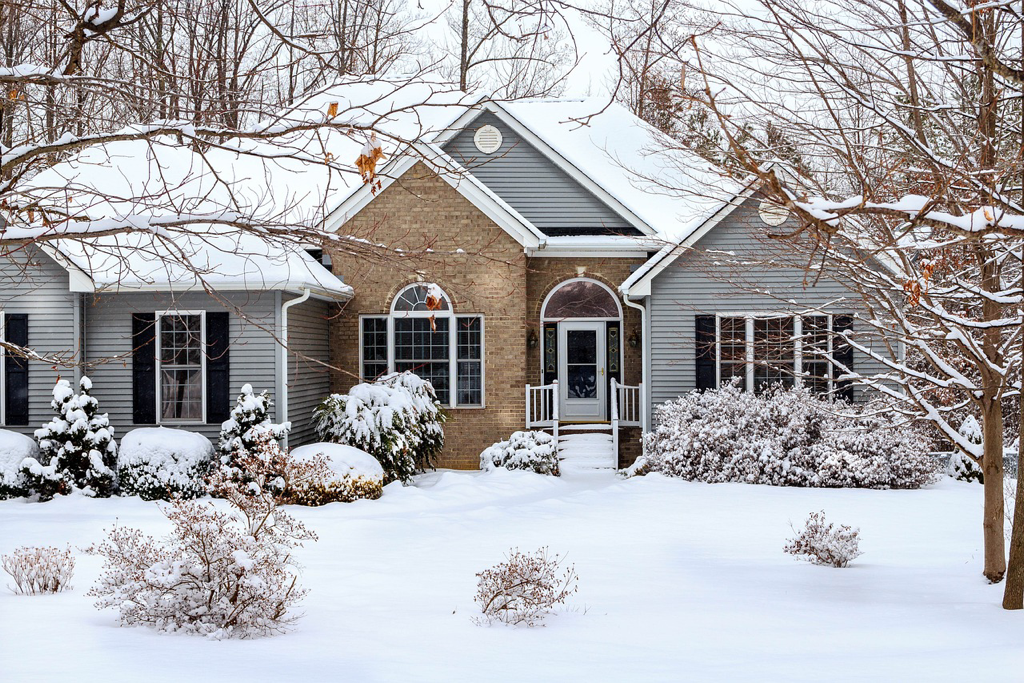 Pixabay CC0 License
The home improvement process is an ongoing commitment that never truly ends. However, with winter fast approaching, it’s imperative that you implement the necessary updates ahead of a very busy period. There’s still time to complete the upgrades, but it’s important to start now. The first step is to understand which jobs need doing. Focus on the following matters and you won’t go far wrong. Complete Structural Repairs If your home’s exterior isn’t in great health, the adverse weather to come over the coming months could spell disaster. For your property and your finances. So, even if your home managed to survive through the warm weather, now is the time to take action. It’s best to start at the top with metal roofing repair and guttering upgrades to prevent leaks and other damage. Broken windows will also need to be fixed while any vulnerabilities with the home’s foundation must be checked. If there are any potential hazards in your backyard, such as a large tree that looks like it could fall, you must treat this issue ASAP. It’s better to be safe than sorry. Go Green Creating a more eco-friendly home is beneficial for many reasons. It protects the environment, can support your family’s health, and reduces your carbon emissions. The latter incentive also translates to reduced energy bills. Given that you are likely to consume more energy in the winter months, now is the perfect time to go green. This guide to stylish and eco-friendly upgrades will point you in the right direction. You will start to see the financial benefits right away, clawing back a significant part of the investment over the winter months. This is followed by continued monthly savings throughout 2024 and the years to come. Increase Comfort It is likely that you’ll spend more time at home in the winter. Therefore, home comforts can make a huge difference to your daily life. Starting with new bedding to promote a better night’s sleep should be your first goal. It’s a very easy upgrade too. Additional upgrades can include fixing the shower pressure or getting a deeper bathtub. A hot soak after a hard day of work feels like heaven. Mounting your TV on the wall or finding new storage facilities to create more space for home entertainment can work well too. Using Smart tech to automate aspects of your home management is another move to make life more comfortable. Not least when using robotic vacuums to clean it. Add Security Features Protecting your family and property is an ongoing priority. Nonetheless, it takes on an added importance at this time of the year. Stats show that burglaries increase in the winter, and it’s not hard to see why. People have bought new goods for the festive season. And it’s dark. Therefore, it’s vital that you're prepared for this challenging season. Adding home surveillance cameras and alarms will work wonders. Motion-sensor lighting is another wise move while it’s essential that all doors and windows have robust locks. Where possible, landscaping to create better visibility of the yard can also deter intruders. Aside from preventing the fallout of a break-in, taking precautions will put your mind at ease. Now the year is drawing to a close, it’s a good idea to start preparing your home for the winter months. If you live in an area that experiences particularly harsh winters, it’s important to prepare your home now so you can be nice and toasty without worrying about anything going wrong around your home. Here is an essential winter checklist that you should get started on right away. 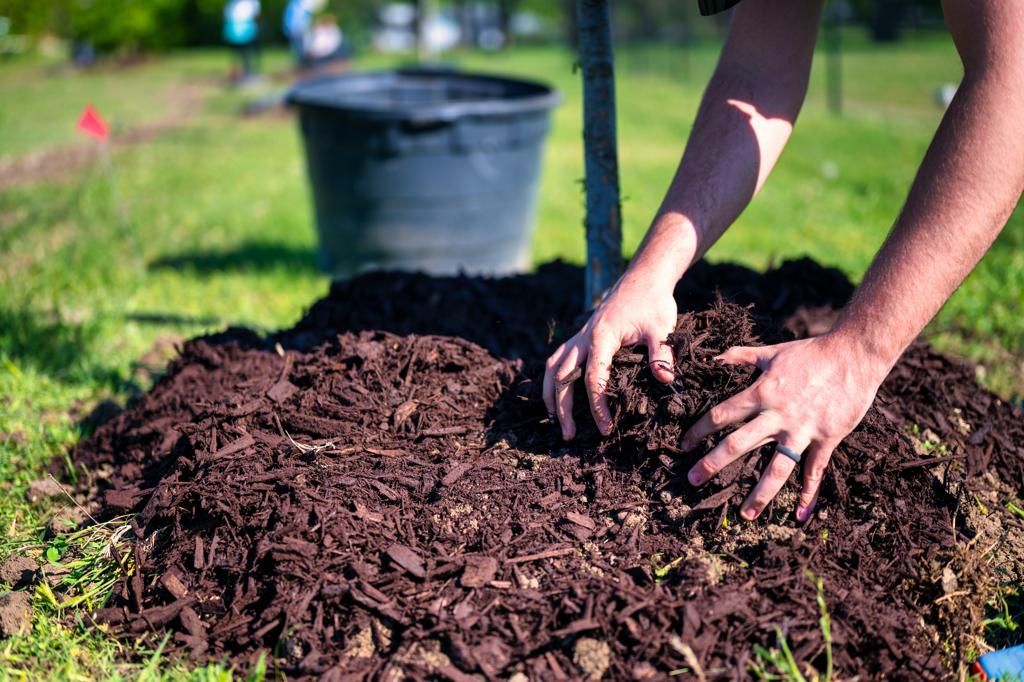 https://www.pexels.com/photo/hands-on-a-pile-of-dirt-11573798/ Insulate your pipes Any pipes that are exposed or run along a wall in an unheated area (typically outside) are at risk of freezing when the temperature drops, causing the pipe to burst. Head to your local hardware store and look for pipe insulation. If you don’t know what it looks like, it looks almost like a giant pool noodle that you can cut to size, wrap around your pipes and seal with duct tape if needed. If you’re really unsure, ask an employee for advice. Clean out guttersI
If your gutters are full of leaves, branches and debris, now is the time to clear them out. If they freeze during colder weather they could not only affect drainage in your home, but also damage your roof. If you’re not confident doing this job yourself, call in a professional who should be able to do this in around 2 or 3 hours. Have your furnace checked It's important to ensure your furnace is operating safely and efficiently, so call in your local furnace repair company to come and do the job for you. If any repairs are needed, have them fixed as soon as possible to ensure your home is nice and warm during the colder months. Repairs and inspections also ensure that your energy bills won’t soar through the roof. Inspect trees and branches Take some time to check trees around your home that could potentially fall or break if there’s a bad storm. Signs this might happen are dead limbs, branches that are slightly broken, and trees where the root is visible. If you’re worried about any trees or branches surrounding your house, call in a professional to come and safely remove them. Prevent door locks from freezing If you live in an area that gets particularly cold, then you may have experienced your door locks freezing, making it difficult to enter or leave your home. You can buy a lubricant from the hardware store that you spray into where the key goes. This will help prevent freezing and keep the chamber lubricated. It’s especially important to do this in the winter, but experts recommend doing this once every season. Drain your sprinklers It's unlikely you’re going to be needing to water your lawn over the next few months, and if you leave water in the pipes during the winter they could freeze and crack the pipes. It is possible to do it yourself (check the manufacturers website) but it’s recommended to get an irrigation contractor in to blow out all of the water using compressed air. Block drafts If you regularly feel drafts from your windows or doors, it’s a good idea to use draft stoppers to keep in the heat and keep out the cold. You can buy draft stoppers online, or you could make them using foam and a pillow case. If you’re feeling a draft from your baseboard, get some caulking and fill in these gaps to help keep your home nice and toasty. Have your fireplace cleaned If you use your fireplace often, there’s a good chance it needs a good clean and inspection. Built up soot is bad for air quality and can cause house fires, so it’s a good idea to clean as much of the area yourself, and then call in a chimney sweep. This is especially important if you’re burning wood or coals. Plus, there’s nothing quite like lighting the fire for the first time in the winter months! Mulch your flower beds If you find that your flower beds die during the winter, it might be because you’re not mulching your flower beds. Adding a layer of wood mulch helps regulate the temperature of the soil, and might just save your beloved flower bed from dying off yet again. Cover garden furniture Your garden furniture is about to face an array of weather changes. From dry cool days, to snowy, windy, rainy, wet and icy days. The weather will take its toll on your furniture, whether you’ve got wooden or metal! Use some plastic sheets to cover and secure your garden furniture so you can enjoy it for many years to come.  https://unsplash.com/photos/rgJ1J8SDEAY
If you have a property of your own, you want to live in, or wish to rent out, you will know that it comes with a lot of hard work. Any homeowner or property investor has their work cut out. The stress of it all can sometimes get too much. If you don’t exactly know what you are doing in every facet, you might find yourself in a precarious position. You don’t have to be in this place, however. It can be a lucrative business if you do things correctly. From the moment, you design your house for the moment you let it go, your creativity can shine as much as it likes. You can have plenty of extras while keeping things looking wonderful. As soon as you understand a few fundamentals, you should be good to go. You may not be able to do everything on your own, but that’s absolutely fine as the investment is worth the money. Here are a few pointers if you are wondering: Have A Regular Maintenance Routine It’s always good to be in the right routine, regardless of what you are trying to achieve. When it comes to looking after any kind of property, mainly a home, you should have everything in order. By no means should you have absolutely every aspect of it, but it’s good to have a plan in place. This kind of plan helps to keep standards high and helps you with day-to-day running. You’ll know exactly what to do each day and you’re run into fewer hiccups. You could even enlist help from cleaning services and other maintenance to help you out if you are struggling. Repair And Upgrade Efficiently At multiple points in your ownership, you will run into trouble and some tedious things will happen. This is an inevitable part of a property. If you prepare for this kind of thing, you will be in a much better place overall. This is because you will have time and money aside to deal with things efficiently. If you don’t prepare for these kinds of eventualities, you will be in for a shock when something big happens. Be sure to repair and replace pieces as soon as possible. Think About Your Landscaping And Exterior It’s not just the indoors that matters. The exterior and the landscaping of the entire property can do so much for first impressions. They will also do so much for the overall feel of the place. If there are a few things you can do regarding exterior maintenance, then it’s worth getting your hands dirty. If you have money to spend, it’s worth investing in the right kind of landscaping and gardening group. It’s amazing what these kinds of people can really do for your place. Work Together With Professionals In All Areas We’ve touched on this point, plenty already, but it’s worth reiterating. This is because they will do a much better job than what you can muster. This is by no means a negative thing because enlisting people with skills and experience will only make your life easier. Fundamentally, it’s a good idea to work together with a property management company that has seen situations like yours many times before. The competence shown by them can allow you to make plenty of money and to stay in a wonderful, functional property. 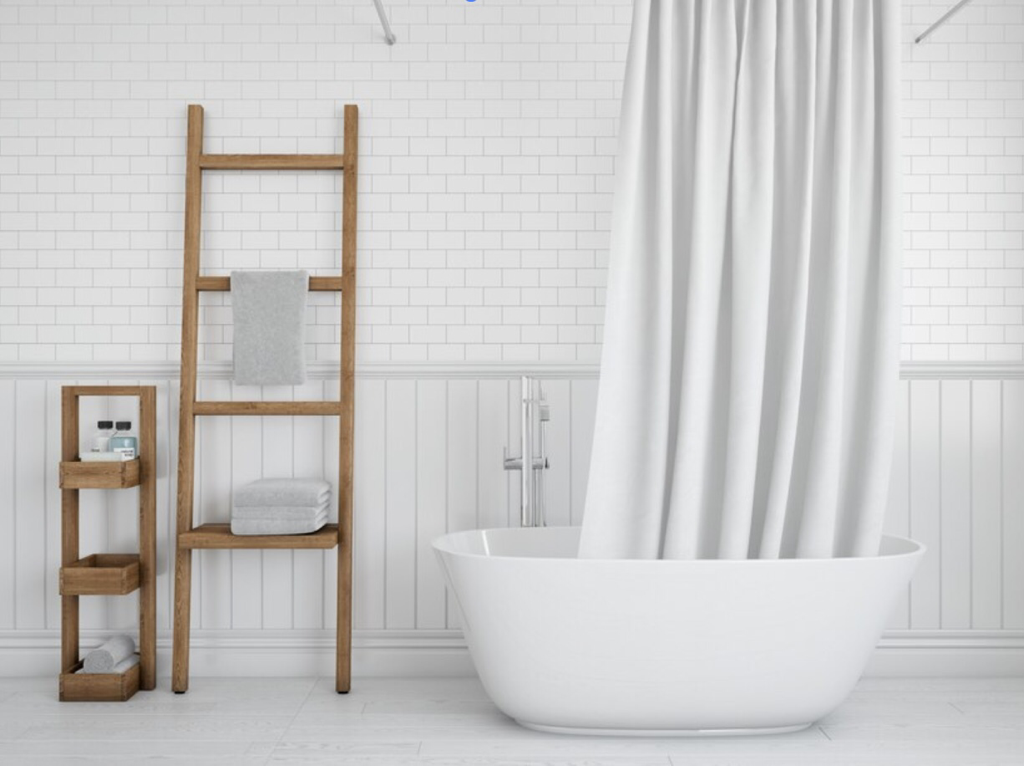 Image Location - CC0 License
A Promotion The first thing that we’re going to say is that it might come in the form of a promotion. There are times where you have to work your way from the bottom up, until you get to the top! Every step in the ladder is gaining you new experience that you can add to your portfolio, making it a fantastic learning opportunity for you. You should always be working towards the next promotion, always looking for the next step, and figuring out what you need to do to get there. You’re not going to get it every time, but you’ve just got to keep pushing through. Starting Your Own Business Another thing that you should consider doing is starting your own business. This is not going to be easy, but if you’re finding it hard to work for someone else, or you have a fantastic idea for a new company, then you should follow this idea. You are going to need to think about all of the things that you need like a business office, employees, money and more. Then, down the line, you’re going to need things like an IT service, marketing, and potentially things like gips consulting, but that’s a long way off. Moving Abroad Last but not least, you could consider moving abroad for your career. In some cases, moving abroad could be the opportunity that you have to move your career forward as this is where the next step is. We understand that this is not for everyone, and some people may not see this as a good thing, so it’s something that you should only agree to, or apply for if you think that it’s right for you. Moving abroad could be a brand new adventure for you, and you get to learn more about the business and how it’s dealt with in a completely new place which looks great on your resume. We hope that you have found this article helpful, and now see some of the things that might happen when you decide that you want to push your career to the next level. It’s something that you are going to need to work for, and we highly recommend that you keep track of all of the achievements you have made, so when things get tough, you can look back on these and see how far you have come. We wish you the very best of luck! 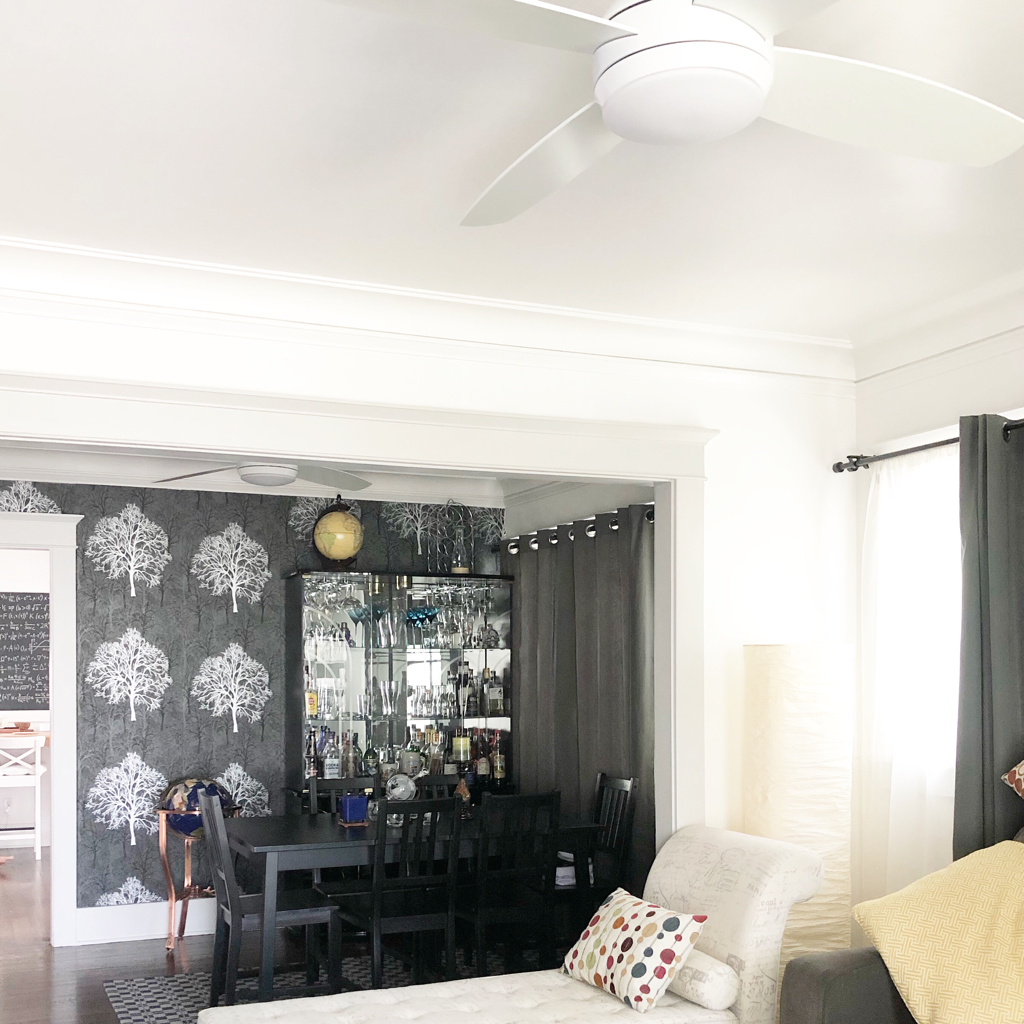 Image - CC0 License
When we watch those TV shows set in sunnier climates with vast expansive (and expensive) villas, we can certainly reel off a number of benefits of being in those climates and tentatively look at how prices in certain countries. But when we dig deep into the weeds of moving to another country, we've got to ask ourselves if it is truly worth it. Is It Financially Viable? One of the top priorities for most of us is if we can do it properly and actually be better off. There are a number of ways you can do this. Firstly, you can look at the general exchange rate and do a like-for-like comparison based on your lifestyle and general expenses. Any currency calculator can give you an insight into if you would be better off, but of course, there's a number of variables that play here. There's the cost of living in that country with regards to things like the food, but you could also benefit from digging deeper beneath the surface and seeing if there's financial incentives to living in that country. For example, in Puerto Rico, there are a number of tax advantages of owning real estate, such as not paying most federal income taxes for half the year but there's also other community-based benefits on top of this. The Act 20 and Act 22 real estate initiatives in Puerto Rico provide grants to non-profit organizations to give back to the Puerto Rican community so there could be an extra benefit of finding somewhere that may cost around the same as what you are spending where you are but looking at the bigger picture you might be better off in many other ways. What is the Process of Getting Into That Country? Moving to another country is stressful enough as it is, but we also need to look at the process in the round, and depending on where you want to go, the rules vary. It can also take a lot of time to become a naturalized citizen of that country. For example, in the United Kingdom, you can apply for citizenship if you have lived there for at least five years and have what is known as settled status. There's also the fees for becoming a British citizen. Generally, when you are looking to go to another country, the toughest part is definitely filling out the forms and it can take a long time to get everything lined up. It is a massive task to do this, which is why you need to ask yourself if you feel moving to another country is worth your while. When we think we want to move to a sunnier climate after being on vacation there, we can easily become swept up in that vacation feeling. It's a very simple thing, but you've got to determine if it truly is worth your while going through the immigration or emigration process. Will You Experience Culture Shock? If you are looking to set up a whole new life somewhere else, why do you want to do this? If you are looking for that permanent vacation feeling, you might be surprised as to how life will feel once you truly settle into a place. Lots of people go far away so they can enjoy the sun, but there comes a period of time when they don't feel like they belong here. Lots of us have this nomadic sensibility, especially if we go traveling all of the time, and if we look at other people's houses in warmer climates and we think that we want a piece of that, we are neglecting the most common aspect of our emotion when moving to another environment, namely feeling homesick. If you feel in your heart of hearts this is where you are meant to be, the culture shock can still creep in. This is why you've got to be aware that these things will happen, but it won't be like this forever. There's always solutions to minimize the culture shock sensibility, for example, joining an online expat group. You can find other people who were in the same position as you a few years or a few months ago. It gives you an insight into how to feel more at home where you are and also make friends in the process. Of course, we also need to remember that moving to another country is about embracing that culture. We can always feel like the outsider or the foreigner, and it is important for us to do our bit to make this place feel more like home by throwing ourselves into cultural traditions and showing people that we're not on the defense, but are actually looking to make this place a home rather than just a long-term vacation destination. How Will It Benefit Your Soul? As grandiose a question as this is, you need to ask yourself if this is the right thing deep down. Lots of us love the idea of moving to another country for essentially superficial reasons, for example, the glorious weather. But moving to another country is a big decision, and we have to come to the conclusion if what we are doing is going to actually benefit us deep down. Moving to a different climate is going to come with a number of health benefits, especially if you move further afield to Hawaii, but there's also the big question of if you will ever feel at home there. So if you are looking at properties in a far-flung location that you want to take advantage of either financially or as a vacation home, you still need to ask yourself if these things will truly be worth your while or if you are just investing in something that is yet another distraction in your life. Moving to another country comes with a lot of benefits - financial, emotional, and many more - but we've got to decide if moving somewhere else is truly worth our while. Many people have done it and returned home, but others have certainly made a success of it. You've got to ask yourself some of these major questions. There is a lot that you might be keen to get out of a garden space, but one of the most common and popular is for it to be usable as a place to entertain guests. If you are hoping to be able to do that, then you are going to have to take a closer look at things, and make sure that the garden really is set up right to do this, which can actually be a lot simpler than you might assume it to be. In this post, we’ll discuss some of the major things you will want to think about in this regard.  Image Source - CCO License Space First of all and perhaps most importantly, you need to make sure that there is enough space. This does not necessarily require that the garden is sprawling and huge, but merely that you have cleared and arranged it in such a way that you are able to entertain guests easily without having to worry about people having enough room to move around. If you are trying to make sure of this, you might need to declutter and move things around just to ensure that it works properly, so that is something to consider. BBQ Ready One of the most common ways to make use of a garden is of course to host a BBQ there from time to time, so it can be a great idea to ensure that your garden is truly and genuinely BBQ ready. There are a lot of things you might need to focus on to help with that, and in general it’s something that you are going to have to think about a lot. Anyway, you will hopefully be having chicken wings this weekend if you do this right, and that can help make your garden a much more entertaining place. Lighting Lighting should never be ignored when creating an entertaining garden space. Proper outdoor lighting allows gatherings to continue into the evening while creating a warm and welcoming ambiance for your gatherings. Consider installing string lights for an enchanting canopy effect or lanterns and path lights to light your walkways and seating areas. Solar-powered lights offer energy-efficiency while making lightening up your garden hassle-free! Keep this in mind: the goal is to create a comfortable and safe environment so your guests can easily navigate their way through and appreciate your garden even after dark. Or hire a licensed electrician to install permanent outdoor lighting fixtures for a more professional aesthetic. 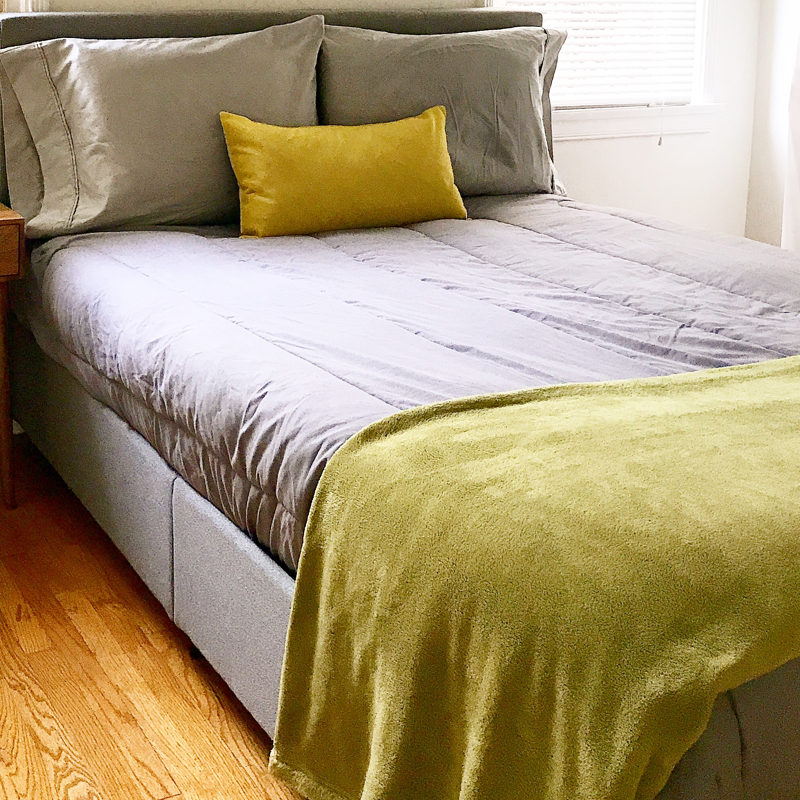 Image Source - CCO License
Attractive Of course, you will probably want your garden to look the part as well if it is going to be good for having guests, and mostly that means that it has an attractive appearance in a particular garden style that you can be happy with. Whether you are looking to adopt a modern look or a traditional one, or really anything in between, this is the kind of thing that you absolutely have to focus on if you want to make sure your garden is great for having guests. If nothing else, you will be a lot prouder to have it. All The Senses Finally, make sure that you have thought about all the senses, and that you are creating an exterior space which is as effective as possible when it comes to being somewhere people actually want to be. In other words, it doesn’t matter how it looks if it doesn’t smell nice enough, so you have to think about that kind of thing as best as you can. It really will make a huge difference to your experience of hosting guests in that space in the future. Being a host in your own home can be daunting. First, it might be your first time inviting people over as you have moved to your own home. Or, you might have lacked the confidence before. Either way, you should feel confident being a host in your own home. If you want to know how to be a great host and ensure guests have the best time, here are some tips. 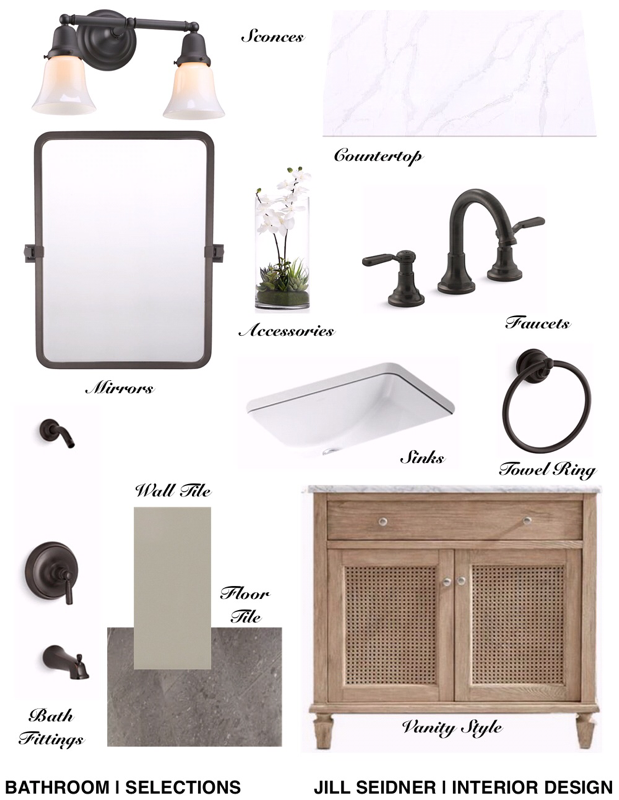 Photo by Rene Asmussen: https://www.pexels.com/photo/people-gathering-in-garden-1405493/
Follow a recipe Following recipes is bound to make you a more confident host. It will guide you through the process and ensure that the flavor and timings are perfect. For instance, using this beer cheese soup recipe, you can create a delicious dish that you have never created before. Instead of being shy when using ingredients you do not often use in cooking, you can have more confidence and ensure that the final result will be delicious and satisfying for everyone you are serving to. Make your backyard suitable for hosting Having the ultimate modern backyard will ensure that the space is perfect for hosting summer dinner parties and events. If you take your time perfecting your outside space, it will be an ideal location for your family and friends to gather. To make the space suitable for hosting, it makes sense to:
Simple additions to your garden will make it inviting and comfortable to host summer events. Make guests feel welcome immediately Another great way to be a great host is to ensure guests feel welcome as soon as they enter your home. If they have a place to sit and a drink in their hand, they will instantly feel relaxed. Ensuring that guests feel comfortable and calm when they get to your home for the dinner event or party will ensure they feel comfortable for the remainder. Hug your guests Speaking of guests arriving at your home, it will help if you give them a big warm hug. Hugging your guests will make them feel at home and welcome to the party. Whether they are family or work colleagues, it is a great way to show them that you want them to feel welcome in your space. Take their belongings Guests won’t want to sit with their jackets and shoes on. Therefore, ensure to take their belongings or let them know where to leave them. With their belongings set aside and a drink in hand, they can feel more relaxed. Place snacks around the room Whether you are hosting in your living room or your garden, it is a good idea to place snacks around so that if guests feel peckish, they can nibble away until the food is ready. You won’t want your guests to feel hungry. Therefore, it makes sense to offer them something to graze on in the meantime. Offer a variety of drinks On the topic of ensuring your guests are fed, it is also important to ensure they are hydrated. Offering a variety of drinks will ensure that everyone can find something they like. Some people might drive, so they will want a soft drink. Others might prefer tea and coffee over cocktails. Having plenty of choices will ensure everyone can enjoy a refreshment. Let them help themselves If you are comfortable letting your guests help themselves to drinks and food, it makes sense to show them where they can find everything. Showing your guests around the kitchen will ensure that can grab what they need throughout the event, which will help minimize your labor and help them feel more comfortable in your home. Clean up your home Before your event starts, it is a good idea to clean your home. Making everything as clean and presentable as possible will ensure guests feel relaxed and that you have made an effort to make them feel hygienic. Wiping down the sides, replacing the bin liner, and cleaning the floors can be enough to make your home guest ready. If you want to go the extra mile, it can help to boost the smell of your home. Burning candles and adding diffusers will guarantee to make your home smell amazing. Offer blankets If the weather is cold or your event goes into the evening, ensure to offer people blankets. You won’t want guests to be cold. If you do not have enough jumpers and jackets to go around, it makes sense to offer the next available option, something warm to cover themselves with. |
Design Services
Looking for interior design help? Offering design consultations and online design for anyone, anywhere. Happy to help with any of your design needs! About
Archives
July 2024
Categories
All
Offering sponsored blog posts + social media campaigns, details here.

Gift Cards E-Cards for Design Consultations, more info here.

Online Design: complete flat rate room design, for anyone, anywhere. More info here.
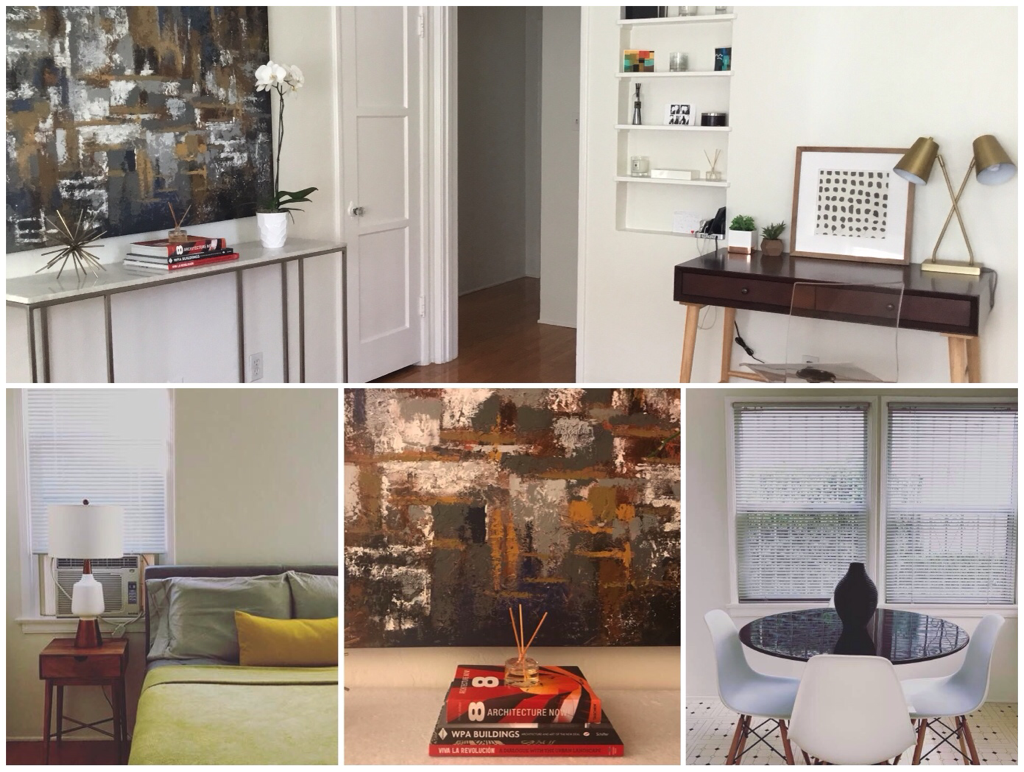
Book A Design Consultation On-Site or Online for anyone, anywhere! Details here

Window Treatment Consultations
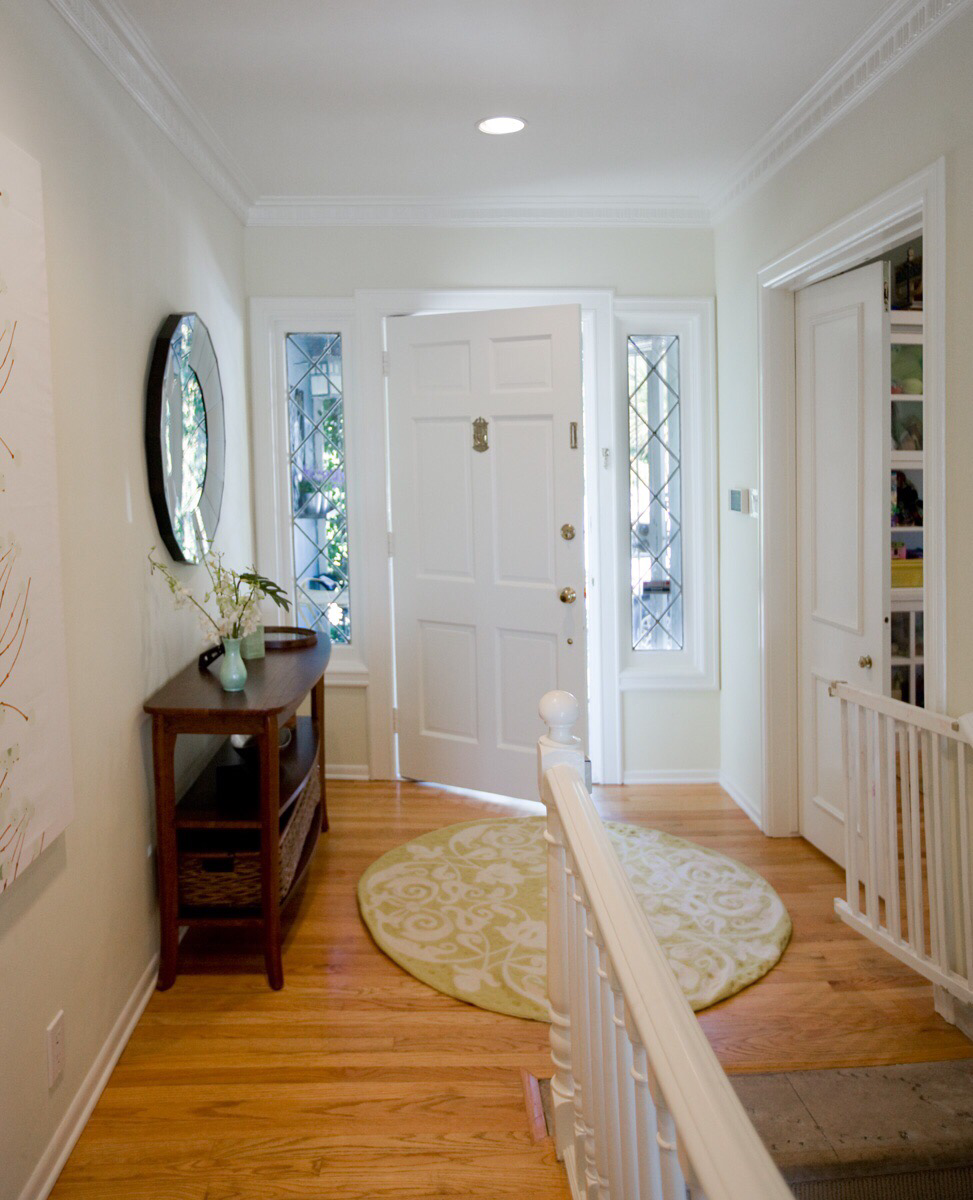
Moving Day Services

Design Layouts, details here

Color Consultation for Interior/Exterior


Flat Rate Kitchen Design & Bathroom Design Package. Details here
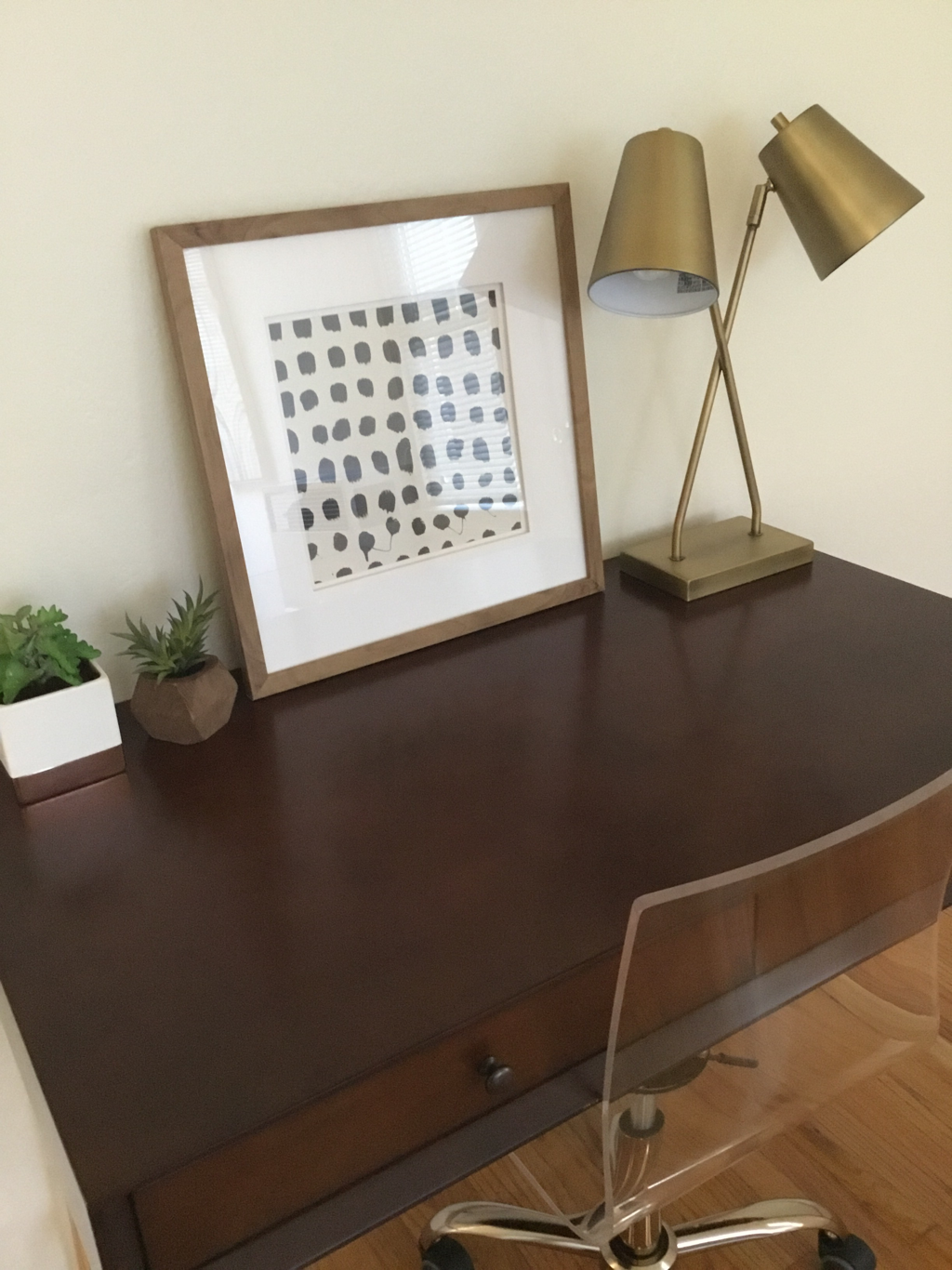
Flat Rate Home Office Design, just $450. Details here.
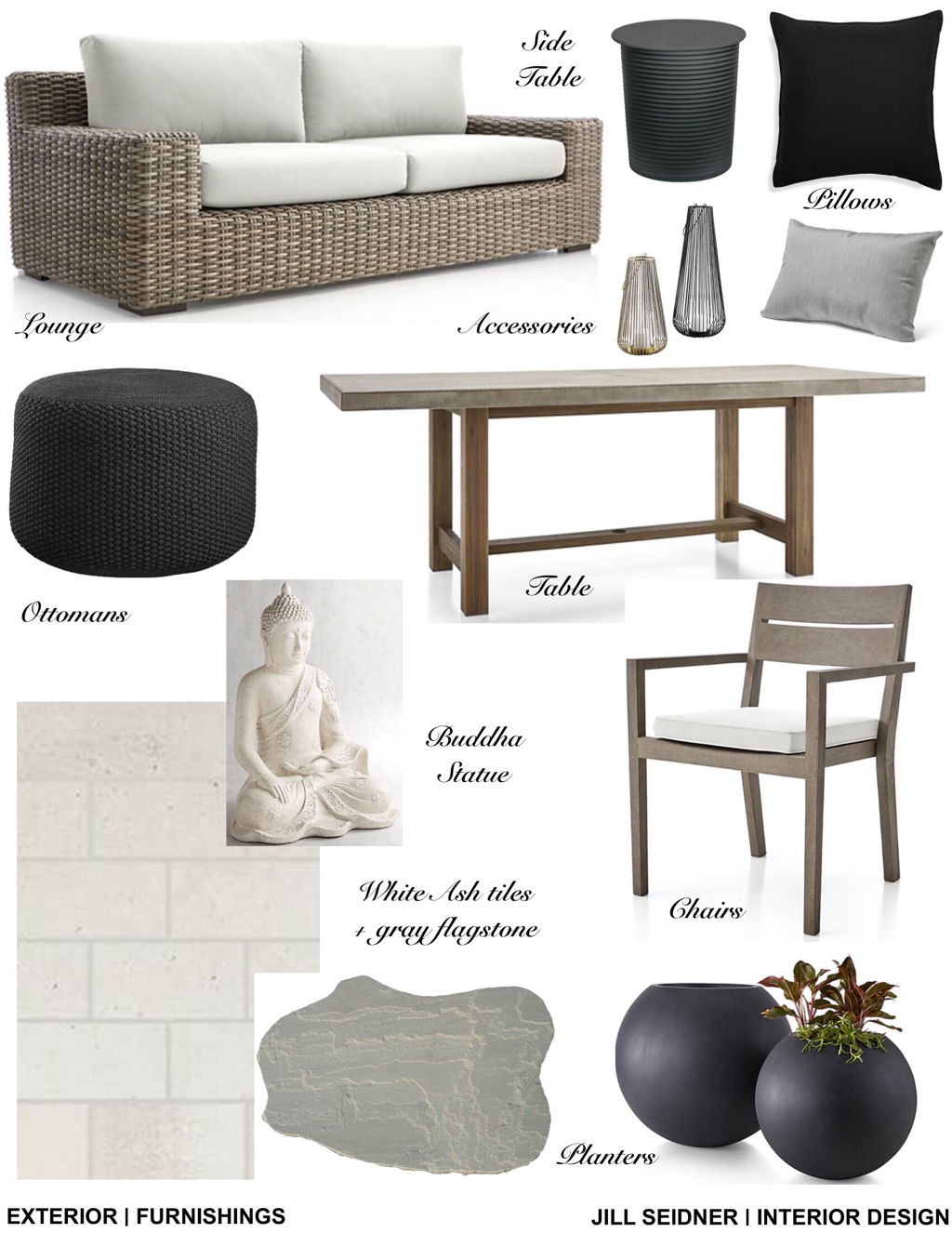
Flat Rate Outdoor Design, $450. Details here.
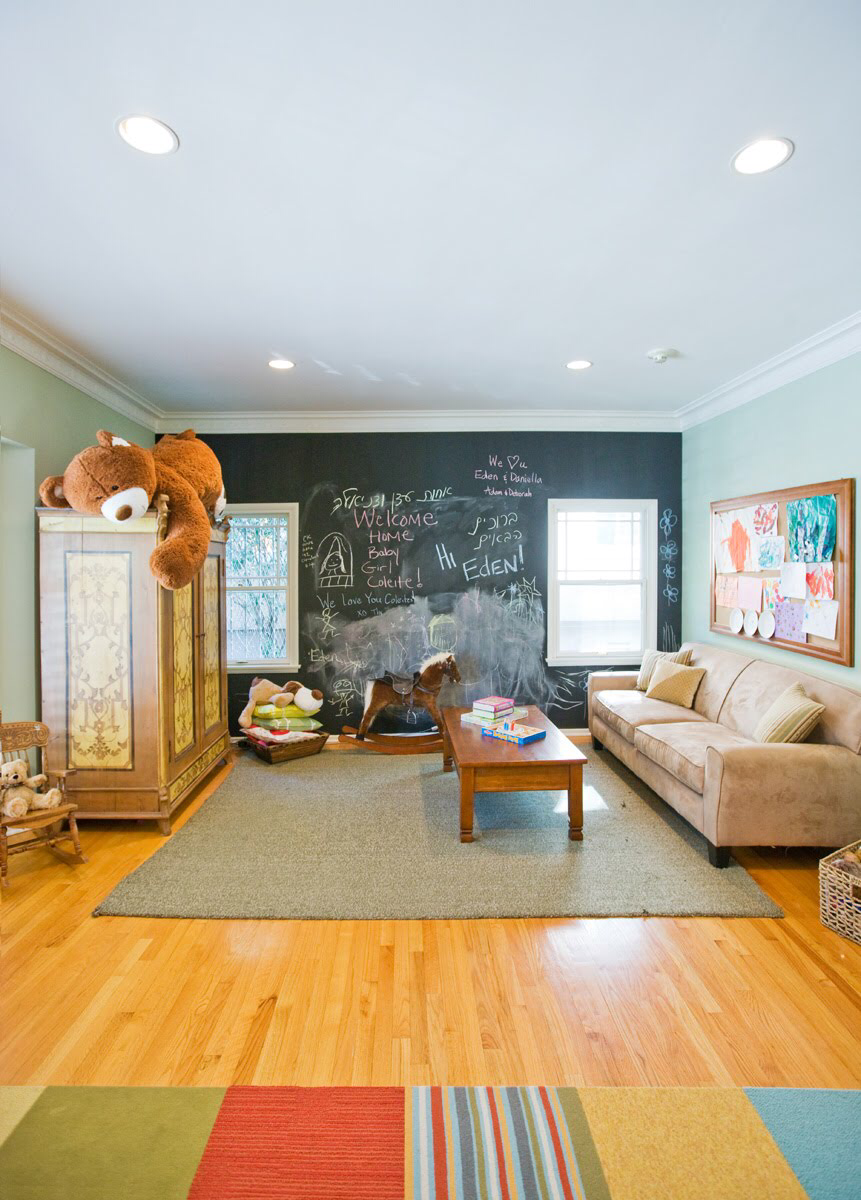
Flat Rate Room Design for Kids $500 per room, details here.
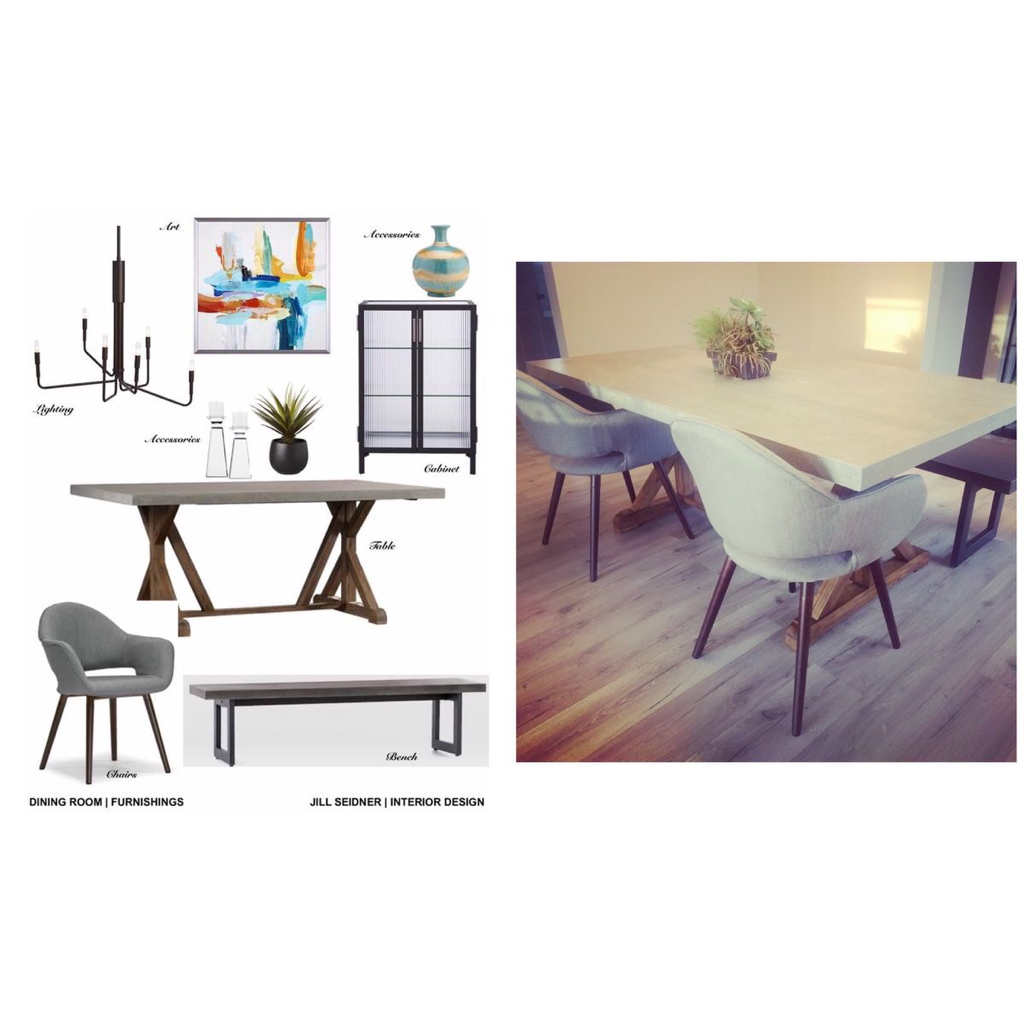
“Work with what you got!” - Room Makeovers. Details here.
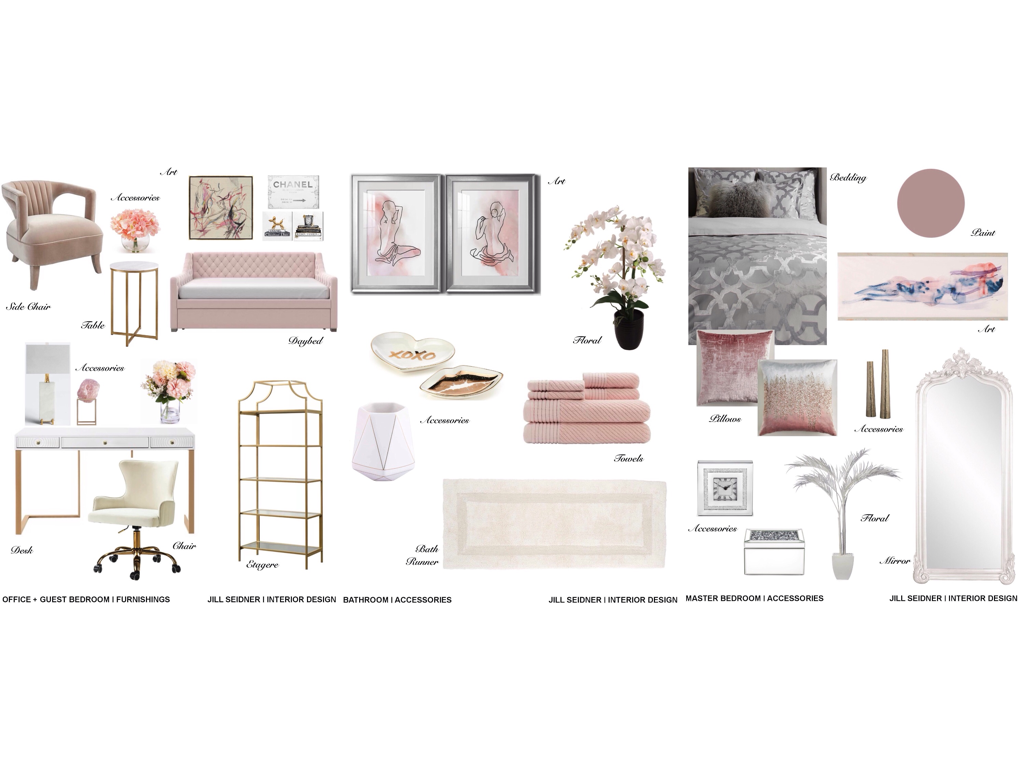
Room Refresh! - Room accessorizing services. Details here.
|
 RSS Feed
