- Published on
Click here to start customizing
A bookshelf can look like a storage unit or like part of the room. The difference is rarely the shelf. It is how the books, objects and empty space are arranged on it. A few rules take the guesswork out.
Start by emptying the shelf
Take everything off and sort it into three piles: books worth showing, objects, and things that belong in a closed basket or box. Styling around the clutter that is already there is the most common mistake. When you restock, you are working only with pieces that earn their place. Pommette's bookshelf styling guide makes a similar point: begin with the books and work outward.
Mix vertical and horizontal books
A shelf where every book stands upright reads as stiff. I Heart My Home recommends alternating short runs of upright books with flat stacks of three or four, which gives the shelf rhythm. A flat stack of two to four books also gives you a natural platform for a small object, a bowl or a candle.
Group in odd numbers and vary the height
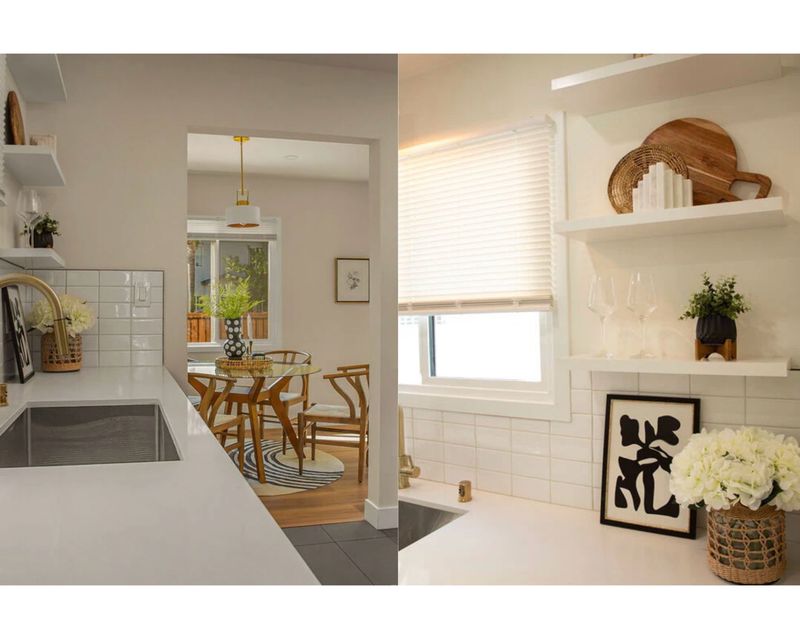
Style each shelf as small groupings of one, three or five. The Turquoise Home calls this the rule of three, and odd numbers do look more natural than pairs. Within a group, mix something tall, something medium and something low. Leave part of every shelf bare. Empty space gives the eye a place to rest, and it makes the pieces you did display look chosen.
Control the color
If the spines look busy, pick one approach per shelf unit and commit. I Heart My Home describes grouping books by color for a calm look, or turning spines to the back for a quiet paper-edge look. Then repeat one or two of the room's colors in objects on the shelf so the shelf belongs to the room.
Give the shelf one thing to look at
At eye level, one piece with presence does more than five small ones. A framed print leaning against the back, a vase, a lamp. Pommette's guide says the same: hold to two or three colors and give the shelf at eye level one object worth looking at.
Anchor it and plan the weight
Before you load a tall shelf, anchor it to the wall. The Pommette guide cites the Consumer Product Safety Commission's Anchor It! campaign for a reason: a full bookcase is heavy. Once it is secure, put heavy books and baskets on the lower shelves, as Pommette suggests, and keep the upper shelves for lighter objects and flat stacks. That is also better for the eye. A bottom-heavy shelf looks grounded, and a shelf that is heavy at the top looks like it is about to tip.
Do not fill every shelf
You do not have to display every book you own. Show the ones with handsome spines or covers, and store the rest elsewhere. A shelf that is two-thirds full with space around each group looks more expensive than one packed edge to edge. If you have a few shelves you cannot fill, a large bowl, a basket or a single plant is enough. Step back across the room and look at the shelf as one shape, not shelf by shelf. If one section looks heavier than the others, move a group across to balance it.
Pieces I would use on a shelf
From my Living Room collection on ShopMy:
- Lulu and Georgia Pagotto Vase
- Hudson Valley Lighting Calabria Rustico Table Lamp (in the same collection)
Some links in this post are affiliate links, which means I may earn a commission at no extra cost to you. I only link pieces I would specify for a client.
The short version
Empty the shelf, sort into books, objects and hidden storage, mix upright and flat books, group objects in odd numbers, leave space, and keep the color story tight. If the wall around the shelf needs art too, see how high to hang art over a sofa.
Want the whole room pulled together, shelves included? My $397 Complete Room Design gives you two layout options, furniture and lighting picks, paint colors and a shopping list with links to every piece, all designed for your room from photos and measurements. Or start with my Complete Home Design Guide, $47 and do the planning yourself.