- Published on

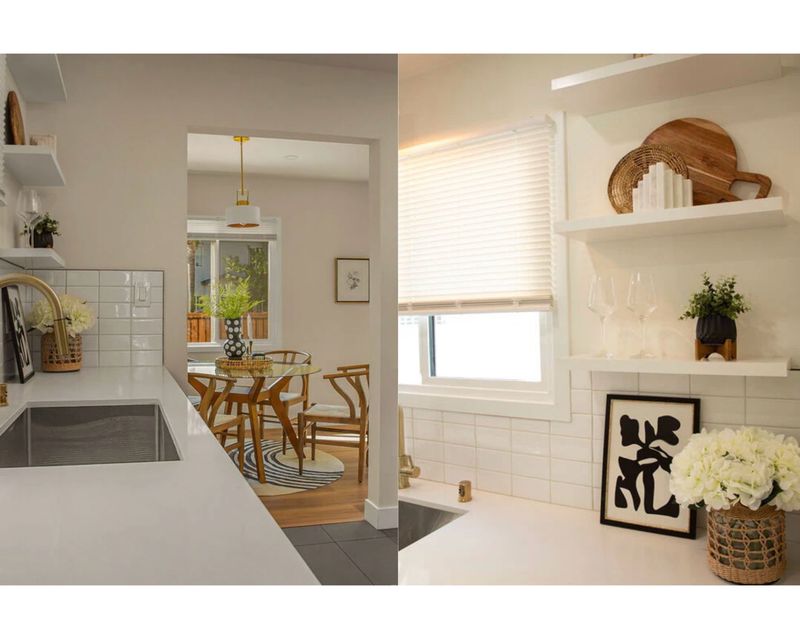
Here are some helpful tips for designing a functional and stylish kitchen:
1. Plan the Layout
Work Triangle: Arrange the sink, stove, and refrigerator in a triangle to ensure efficiency.
Zoning: Create zones for cooking, prepping, cleaning, and storage to keep the space organized.
2. Maximize Storage
Use vertical space with tall cabinets or open shelving.
Add pull-out drawers, lazy Susans, and spice racks for better access.
Consider a pantry cabinet or wall if you have the space.
3. Choose Durable Materials
Countertops: Quartz, granite, or butcher block for durability and aesthetics.
Flooring: Use tile, hardwood, or luxury vinyl for easy maintenance.
Backsplashes: Opt for tiles or glass for a stylish and easy-to-clean finish.
4. Good Lighting
Combine ambient, task, and accent lighting:
Recessed or pendant lights for overall brightness.
Under-cabinet lights for prep areas.
Decorative fixtures for character.
5. Pick a Timeless Color Palette
Neutral tones (white, gray, beige) work well as a base.
Add pops of color with backsplashes, rugs, or décor.
6. Focus on Appliances
Invest in energy-efficient appliances to save on utility costs.
Choose designs that match the style of your kitchen.
7. Create Gathering Spaces
Include an island with seating or a breakfast bar if space allows.
Add a cozy nook for casual dining or socializing.
8. Incorporate Personal Style
Add unique cabinet hardware, vintage decor, or a bold accent wall.
Display items like cookbooks, plants, or utensils for a lived-in feel.
9. Plan for Ventilation
Use a high-quality range hood to reduce cooking odors and grease buildup.
10. Stay Organized
Use drawer dividers, wall hooks, or magnetic strips for utensils and knives.
Label pantry items and storage containers for easy access.
If you're looking for help designing your dream kitchen, I offer a flat rate kitchen design. Info here.
- Published on
Upgrade the Roofing

As such, the debate of wood shingles vs wood shakes is pointless in the California climate. These traditional roofing options offer little utility against fire and harsh winter conditions. A better option is composite roofing shingles. These engineered roofing shingles are fabricated from a combination of asphalt, fiberglass, and recycled polymers. They offer the highest wind, fire, and impact resistance on the market, making them ideal for stylishly withstanding the variable forces that winter conditions are sure to bring.
Improve the Insulation
There is no better time than winter to improve your home’s insulation. It will boost the R-value of the building envelope, helping create a stable interior temperature as the ambient temperatures cool. This establishes a more comfortable, energy-efficient environment for homeowners. On the topic of energy efficiency and eco-friendliness, it is increasingly trendy to opt for sustainable insulation solutions. Products such as recycled denim, sheep’s wool, and hemp offer R-values equal to or greater than traditional blow-in insulation products, all while offering lower toxicity and more sustainable sourcing.
Apply A Fresh Coat of Paint

Given the aforementioned fire proclivity in California, residents may want to consider an even more robust siding upgrade. Fiber cement can be fabricated into any of the most popular siding colors to give homeowners the exterior aesthetics they desire, along with a Class A fire rating.
Incorporate Low Maintenance Features
Life slows down in winter. It takes more time to get up and moving, dress warmly, and get out the door in colder temperatures. With this in mind, any low maintenance features will pay huge dividends during the winter months, saving time best spent enjoying a warm cup of coffee. Some ideas for low maintenance renovations include nonporous quartz countertops, luxury vinyl tile flooring, and stainless steel kitchen appliances.
Protect Against Moisture

Therefore, it is best to preempt any such episodes with the proper preparation. Guarantee a strong gutter and flashing infrastructure on the roof to keep runoff flowing in the correct direction. Look into how to waterproof basement walls to keep groundwater from threatening the foundation. Make sure that all landscaping is adequately sloped away from the home, installing slot drains as necessary to shield against backflow.
Consider Radiant Heating
Even during the summer, there is always a bit of nippiness in the hours just before dawn. By the time winter rolls around, the nippiness becomes more than just nippiness, and the chill tends to linger long after the break of day. One innovative idea is to install radiant floor heating to the flooring substrate. Using a series of app-controlled electric mats, radiant heating systems release heat up through the floor in a consistent, stovelike manner. This offers a more consistent, efficient heating experience than traditional forced-air systems, eliminating cold pockets and maximizing enjoyment of the home during all hours of the day.
Build a Sunroom
Transitional space is one of the top concepts in modern home design. Homeowners want to be able to seamlessly connect interior and exterior spaces for optimal enjoyment of their property. However, the exterior of the home is not always accessible during the winter months. One great way to create transitional space and leverage biophilic sensibilities in all seasons is through the creation of a sunroom. Glass walls and 12x12 outdoor tile systems for the floor can shape an impression of being outside while offering a degree of insulation from the chilly weather.
Handle the New Season in Stride with Essential Renovations
Even in the typically warm climate of southern California, winter brings with it some changing weather that requires special attention. From upgraded roofing to the addition of transitional space, consider any of the ideas listed above and embrace the new season. For more of the most trending home improvement and design tips, explore the resources at Jill Seidner Interior Design for ideas and inspiration today!
Author Bio
Andrea Erickson is a freelance writer who loves sharing her knowledge and expertise in renovation and Interior Design. She lives in her hometown of Austin, Texas where she enjoys spending time with her husband and decorating with her children. Andrea’s work as a freelance writer can be found on Building Product Advisor, a construction industry resource site.
- Published on

Unfortunately, not all home improvement projects pan out as expected. Whether it be a kitchen makeover that was more trouble than it was worth or a living room reconfiguration that just doesn’t look the part, nobody wants to take regress during a home design project.
That’s where we come in. From simple design tasks that require minimal effort to more in-depth renovations, keep reading as we explore some of the most clever design tips for maximizing style and functionality in a home.
Stick to the Basics

Fortunately, there are much more subtle--and affordable--ways to make a significant impact.
Simple decluttering and re-arrangement of furniture can bring fresh life to a space. Break out the paint stripper and lighten up the walls for a more inviting ambiance. Strategically use artwork and geometric artifacts to create accent walls that break up space. Carefully place some potted plants to appeal to biophilic sensibilities.
Prioritize Low Maintenance Features
It is difficult to muck up any type of design when it is new. What happens when the new wears off gives a design trend its staying power.
Now matter how expertly curated, peeling linoleum, fraying carpet, and stained countertop laminate is going to be an eyesore.
Therefore, one of the most fundamental principles of maximizing style and functionality during an interior makeover is to choose durable, low maintenance products. This will guarantee that the interior has a fresh aspect over time with minimal intervention required by the homeowner. Some ideas to consider are nonporous quartz countertops, stainless steel farmhouse sinks, and luxury vinyl tile flooring.
Spruce Up the Open Interior

However, despite the open interior’s many advantages in terms of energy efficiency, versatility, and light flow, it still takes some work to make it functional. Without the proper layout, an open interior can feel conspicuously like an empty box.
Use area rugs to break up space. Add acoustic art panels to walls to provide style and absorb sound that may otherwise transfer due to the lack of interior barriers. Look into decorative screen panels and demountable partition walls to create some privacy-adding barriers as needed.
Leverage the Power of Glass
Clean glass makes all of the difference. It breathes life into a space. It improves sight lines. It promotes light flow for improved energy efficiency.
Upgrading the windows is a great place to start. It will help improve the lighting and thermal efficiency of the home. Innovative low-E windows allow light to pass into the house without causing excess heat, making them an energy efficient option. New glass for sliding doors, commonly found in showers, connected patios, or in the pocket doors of home offices, can infuse fresh life into these areas. Glass pendant domes around lights create a sense of elegance for these essential home fixtures.
Pay Attention to Railings

Stately black railings help tie together modern interiors and add a bold touch of character to the space. Glass railings create a clean, crystalline aspect that keep natural light flowing throughout the interior and enhance the sense of spaciousness of the home. Wood railings elicit a homey vibe and offer one of the most versatile aesthetics for a wide range of interior design themes.
Update the Knobs and Fixtures
Similar to railings, it can be easy to overlook the importance of knobs and fixtures in home design. However, once you notice the power of next-level options, there is no turning back. Stainless steel is a great idea in both areas. Its shiny, metallic appearance provides a classy aspect that is nearly impossible to undermine. Ceramic vintage knobs can infuse your space with some timeless elegance. A pull-down sprayer faucet in the kitchen sink offers a bold focal point that offers unmatched utility in the kitchen.
The Details That Make a Stylish Statement in Home Design
When designing an interior, it is crucial to find the perfect balance between form and functionality. From basic tasks such as a fresh wall color to updated knobs and fixtures, consider any of the clever design ideas listed above that pack both a stylish and functional punch. For more of the latest trends shaping the contemporary design landscape, explore the resources at Jill Seidner Interior Design for ideas and inspiration today!
Author Bio
Andrea Erickson is a freelance writer who loves sharing her knowledge and expertise in renovation and Interior Design. She lives in her hometown of Austin, Texas where she enjoys spending time with her husband and decorating with her children. Andrea’s work as a freelance writer can be found on Building Product Advisor, a construction industry resource site.
- Published on

1. Define the Space
• Use a rug or flooring transition (e.g., tile inset) to visually distinguish the foyer from adjacent areas.
• Add an accent wall with paint, wallpaper, or decorative paneling.
2. Create a Focal Point
• Place a console table, bench, or statement piece of furniture.
• Hang a mirror for functionality and to reflect light, making the space feel larger.
• Include artwork or decorative items for personality.
3. Ensure Ample Lighting
• Install a chandelier or pendant light for an elegant look.
• Use table lamps or wall sconces for layered lighting.
4. Maximize Storage
• Add a coat rack, hooks, or a built-in closet for outerwear.
• Use a storage bench or baskets for shoes and other items.
5. Incorporate Seating
• Include a small bench, chair, or ottoman for convenience.
6. Pay Attention to Flooring
• Choose durable, easy-to-clean materials like tile, wood, or luxury vinyl.
• Add a stylish rug to soften the look and catch dirt.
7. Add Greenery
• Place a potted plant or vase of fresh flowers for a welcoming touch.
8. Personalize the Space
• Display family photos, meaningful objects, or unique decor pieces that reflect your personality.
9. Keep it Organized
• Use trays or bowls for keys and mail.
• Consider a small shelf or cubbies for everyday items.
10. Blend Function and Aesthetics
• Choose cohesive finishes and colors that complement your home’s overall style.
If you're looking for more help, I offer a flat rate entry design for just $250, details here.
- Published on
Here is everything you need to know about pre-fab homes:
Types of Prefabricated Homes
1. Modular Homes
• Built in sections (modules) in a factory.
• Assembled on a permanent foundation at the site.
• Meet local building codes, like traditional site-built homes.
2. Manufactured Homes
• Entirely constructed in a factory and transported to the site.
• Built on a permanent steel chassis.
• Regulated by HUD (U.S. Department of Housing and Urban Development) standards.
• Often referred to as mobile homes (though modern designs are more sophisticated).
3. Panelized Homes
• Constructed using pre-made wall panels.
• Panels are transported and assembled on-site.
• Requires more on-site work compared to modular homes.
4. Kit Homes
• Delivered as a package of pre-cut materials.
• Requires DIY or professional assembly on-site.
• Popular for tiny homes and budget-conscious buyers.
5. Tiny Prefab Homes
• Compact, efficient designs often under 500 square feet.
• Ideal for small living, vacation homes, or accessory dwelling units (ADUs).
Advantages of Prefab Homes
1. Cost-Effective
• Generally cheaper than traditional site-built homes.
• Controlled manufacturing reduces material waste.
2. Faster Construction
• Built in weeks rather than months.
• Reduced delays due to weather or labor shortages.
3. Customizable Designs
• Many companies offer various floor plans and design options.
• Modular homes can be expanded or updated over time.
4. Sustainability
• Efficient use of materials and energy.
• Some manufacturers use eco-friendly materials.
5. Quality Control
• Built in a controlled environment, reducing errors.
• Inspected at each stage of construction.
Disadvantages of Prefab Homes
1. Land Costs
• You need to own or purchase land, which can be expensive.
• Site preparation (e.g., grading, utilities) adds costs.
2. Transportation and Assembly
• Transporting large modules can be costly and logistically challenging.
• Assembly may require skilled labor and cranes.
3. Limited Customization
• While options exist, prefab homes may not match the complete freedom of custom site-built homes.
4. Financing Challenges
• Loans for modular and manufactured homes may differ from traditional mortgages.
• Manufactured homes might depreciate in value like vehicles.
5. Zoning and Permits
• Local regulations may restrict where prefab homes can be placed.
• Permitting requirements vary by location.
Key Considerations Before Buying
1. Budget
• Include costs for land, transportation, assembly, and permits.
• Research financing options specific to prefab homes.
2. Location
• Check zoning laws and land requirements.
• Ensure accessibility for transporting the home.
3. Manufacturer Reputation
• Research reviews, warranties, and past projects.
• Visit model homes if possible.
4. Customization Needs
• Determine if you need custom designs or pre-set layouts.
5. Future Maintenance
• Consider long-term durability and maintenance costs.
Emerging Trends in Prefab Homes
• Smart Home Technology: Integration of IoT devices and automation.
• Sustainable Materials: Use of recycled and energy-efficient materials.
• Off-Grid Solutions: Homes with solar panels, water catchment systems, and composting toilets.
• Luxury Prefabs: High-end finishes and modern designs.
Prefab homes are a versatile and efficient housing option, but thorough research and planning are essential to ensure they meet your needs and comply with local regulations.
P
United States
1. Blu Homes
• Specializes in eco-friendly, modern modular homes.
• Offers customizable designs and smart home technology.
• Website
2. Plant Prefab
• Focuses on sustainable, high-quality, and architect-designed homes.
• Offers pre-designed and custom options.
• Website
3. Method Homes
• Custom prefab builder offering sustainable and modern designs.
• Offers a variety of floor plans and finishes.
• Website
4. Clayton Homes
• One of the largest prefab home manufacturers in the U.S.
• Offers manufactured, modular, and tiny homes.
• Website
5. LivingHomes by Plant Prefab
• Pre-designed homes with a focus on modern aesthetics and sustainability.
• Collaborates with renowned architects like Ray Kappe.
• Website
- Published on
And within that, you’re going to want to incorporate some new external features onto your home. These are the kinds that’ll add curb appeal and up that sale price, but they can also add a lot more function and aesthetic to the home you’re living in. If that sounds like a great plan to you, make sure you check out external features like these.

An Extension
If your home has an extension that’s visible from the exterior of the house, you could add upwards of 10% extra value to your home’s sale price in the future. That’s a big amount of money, especially if you paid over your budget and/or the buying price you really wanted!
And the extension itself can add extra value on top of that, depending on the type of extension you’ve gone for. If it’s an upgrade to an existing room, like adding a dining room to a kitchen, you could add another 5%. On the other hand, if it’s a new room you could add another 10%, and if it’s a full-on conservatory, you could add a whopping extra 20%!
A Driveway Gate
Driveway gates are perfect for adding a bit of external value, thanks to just how much security they add without looking like a pure security feature. They add a bit of elegance and glam to the house as well!
If you’ve got a driveway at the front of your house, get in touch with a driveway gates builder to see if they can fit a gate system. If they can, your home’s value could climb by upwards of 5%!
People love to know they’re going to be living in a house that grants peace of mind over how accessible the entryways are, and that’s going to carry your sale price through to a very healthy sum one day.
A Terrace
Even the backyard can add curb appeal to a home! As such, if you’ve got the space for a terrace, erect one and make proper use of it.
Not only will you have a great garden space to spend time in, but anyone else who comes to view the property in future will see the amount of potential in the backyard too. That’s where real value can be found in your exterior - a bit of landscaping and you could add at least another 20% to your home’s real value.
Want to add some high-value features to your home? Start externally and watch as the price changes.
- Published on

Here are some interior design tips for a living room that fits your style and adds functional yet aesthetic design:
1. Mid-Century Modern with a Pop of Color
• Statement Sofa: A mustard yellow or teal velvet sofa with clean lines and tapered wooden legs.
• Bookcase: A walnut open shelving unit with brass or gold accents, styled with a mix of books, small plants, and decorative objects.
• Area Rug: A geometric rug in neutral tones (gray, white, black) with subtle mustard or teal accents to match the sofa.
• Throw Pillows: Mix solid velvet pillows in mustard/teal with patterned ones, like chevron or abstract designs, that incorporate complementary colors (e.g., gray, white, gold).
2. Bohemian Luxe
• Statement Sofa: A deep emerald green or burnt orange tufted Chesterfield-style sofa.
• Bookcase: Rattan or natural wood shelving with woven baskets, trailing plants, and global-inspired decor (e.g., Moroccan lanterns or handmade pottery).
• Area Rug: A Persian or kilim rug with rich, warm tones (burgundy, rust, navy) to complement the sofa.
• Throw Pillows: Layer with pillows featuring tassels, embroidery, and mixed textures in similar warm tones.
3. Coastal Chic
• Statement Sofa: A light blue or white linen sofa with a relaxed, slipcovered look.
• Bookcase: A white or driftwood-style bookcase filled with coastal decor (seashells, coral, and books in shades of blue and white).
• Area Rug: A jute or sisal rug for texture, layered with a smaller striped blue-and-white rug.
• Throw Pillows: Choose pillows in light blue, beige, and white, with nautical stripes or subtle coastal patterns like waves or fish.
4. Modern Monochrome
• Statement Sofa: A sleek charcoal gray or black leather sofa with metal legs.
• Bookcase: Black matte metal frame with glass or dark wood shelves for a clean, industrial look.
• Area Rug: A black-and-white abstract or patterned rug to add depth and contrast.
• Throw Pillows: Monochrome pillows with bold geometric prints, combining black, white, and touches of metallic silver.
5. Warm Earthy Tones
• Statement Sofa: A terracotta or camel leather sofa with a minimalist silhouette.
• Bookcase: A wood and metal combination bookcase styled with books in neutral and earthy tones, small ceramics, and greenery.
• Area Rug: A Moroccan-style or textured neutral rug in beige, ivory, or taupe.
• Throw Pillows: Soft, cozy pillows in shades of rust, cream, and olive green, with a mix of textures like knits or faux fur.
- Published on

Give the gift of interior design services- online or in person (LA area). A one hour interior design consultation for anyone, anywhere looking for interior design advice, feedback, remodeling questions, furniture layout ideas, home office design, paint colors, working with what you have, or any other design needs. $150 for 1 Hour, available in hourly increments. Gift cards be used at anytime. No expiration. Payable via Venmo @jillseidnerinteriordesign
Please email for more info.
For additional gift cards, click here.

- Published on
But what if there were hacks – shortcuts that reduce the costs massively?
Well, it turns out that there might be. We’re not saying that these clever techniques will work in every scenario. But if you can deploy them effectively, you could potentially save a lot of money.
Here’s what to do:
Add A Fan To Your Bathroom

Calling mold remediation specialists to deal with a patch of fungus growing in your bathroom is effective. But if you are like most homeowners, you’d much prefer it if you could stop the mold from growing in the first place.
That’s where adding a fan to your bathroom could help. Circulating the air more is one of the most powerful ways to stop mold from developing.
If you want an even better solution, consider adding a dehumidifier. These desiccate the air, preventing lingering moisture from your last showing and providing resources to annoying critters that want to sprout up.
Use An Old Toothbrush In Hard-To-Reach Places
Another hack that you’ve probably seen before is using toothbrushes for hard-to-reach places instead of buying specialist tools. These are ideal for scrubbing sink edges, tile grout, and all the usual crevices you find in the bathroom.
The best toothbrushes are those with stiff, soft bristles. These can soak up quite a bit of punishment and effectively remove dark spots from around your home.
It’s a massive money saver because it prevents you from having to buy any new stuff. You simply keep toothbrushes once they stop being useful for your teeth, extending their lifespan way beyond what the manufacturer intended.
Lemon For Garbage Disposal Devices

Do you have one of those garbage disposal devices below your sink? If you do, you’re not alone. These helpful pieces of equipment grind up all the bits of food that fall down your kitchen sink, eliminating the need to remove them by hand.
Unfortunately, garbage disposal mechanisms can become dirty over time. As you can imagine, they are hard to clean, unless you open the cupboard under the sink and remove them from their housing (which is usually a time-consuming process).
The solution is to use lemon peel. Let’s say that you’re making tahini and have a spare squeezed lemon half sitting on the countertop. Putting this down the sink garbage disposal is a highly effective way to eliminate any bad smells and give the whole thing a good clean. The acid and cleaning phytonutrients it contains can get into all the device’s crevices and leave it smelling beautiful and fresh for longer.
Extend Your Mattresses’s Life With Essential Oils
What about your mattress? Is there a way you can maintain that at a low cost? Of course, there is!
The trick to extending your mattress’s life is to use essential oils and baking soda. Adding a sprinkle of the latter and a few drops of the former creates a cleaning solution that draws contaminants out of the fabric, allowing you to sleep easily.
The way it works is two-fold. First, you do the sprinkling. Then, a few hours later after the ingredients have had time to work, you vacuum them up. Some of the particles that damage your bed over time should come out with them, allowing it to last longer.
The final result is odorless bedding. Your mattress stays fresher for longer.
Clean Grease Off Cabinets With Dish Soap
Another technique is to clean grease off cabinets with dish soap. No, it’s not the specialist cleaning solutions you sometimes find in the store. But it is highly effective and something you should consider if you’re serious about saving money.
Dish soap works on cabinets because it is formulated to cut through grease (which is usually what accumulates on your kitchen furnishings). You don’t have to buy specialist cleaners, and it is probably there in your home waiting to be used already.
Seal Windows
Another approach that’s becoming more popular is the idea of sealing windows. Not only does it help the window washing company, but it also makes it less likely that cold air will come inside during the winter.
You can seal windows by spraying them with mist and then applying a thin film of plastic to them. You can also fill gaps around the window with caulk or putty, depending on the specific circumstances.
Remove Wall Scuffs With Tennis Balls
Another hack is to remove wall scuffs with tennis balls. This incredible technique is an easy way to give your home a makeover without actually buying any new materials.
Tennis balls work to remove scuffs because of their unique construction materials. The fibrous outer layer disrupts the stain, allowing it to lift off more easily than with conventional approaches. This approach is effective and substantially cheaper than other approaches, such as repainting your home’s exterior.
Make Aluminum Scissor Sharpeners
You could also experiment with creating aluminum scissor sharpeners. These reduce the need to go to home stores and spend extra money on fancy sharpeners.
You can make an aluminum scissor sharpener by folding a piece of foil several times and then cutting it with scissors. Usually, this process will sharpen the blade, making it more effective the next time you want to cut paper.
Unclog Drains With Vinegar

Lastly, you could try unclogging your drains with vinegar and baking soda. Pouring baking soda down the drain followed by half a cup of vinegar and covering it for a few minutes allows it to work its way into whatever is causing the blockage. Then, you can rinse it away with boiling water, hopefully eliminating the problem.
Just remember that the water needs to be exceptionally hot for this technique to work. Otherwise, buying a plunger is often your best option.
This approach can help with the maintenance of your home because you probably have the ingredients in your kitchen already. You don’t need to go out and buy a drain cleaner.
- Published on

1. Choose a Theme or Color Scheme
Decide if you want a cohesive look (like black-and-white photos, vintage prints, or botanical illustrations) or an eclectic mix. Sticking to a color palette can unify different pieces.
2. Select Frames Carefully
Use matching frames for a clean, uniform look, or mix different frame styles for a more eclectic vibe. Choose frames that complement the room’s style, or add some unique pieces like ornate frames for extra character.
3. Plan Your Layout
Lay the frames out on the floor before hanging, or use painter’s tape on the wall to visualize the arrangement. Start with the biggest piece as the focal point and arrange smaller ones around it.
4. Use Spacing Consistently
A gap of 2–3 inches between each piece is generally recommended for balance. For a more modern look, tighten the spacing, or create a more relaxed feel with wider gaps.
5. Vary Sizes and Orientations
Use different sizes to add visual interest, and don’t be afraid to mix portrait and landscape orientations.
6. Incorporate 3D Objects
Don’t limit yourself to framed art; add texture with objects like wall sculptures, shelves, or hanging plants for dimension.
7. Hang at Eye Level
Aim to have the center of the gallery around eye level, typically 57–60 inches from the floor, for comfortable viewing.
8. Add Personal Touches
Include items that reflect your interests or experiences, such as travel souvenirs, family photos, or art that resonates with you.
9. Consider a Grid vs. Organic Layout
A grid layout with even spacing looks formal, while an organic layout with varying placements feels relaxed and dynamic.
10. Take Your Time
Don’t rush to finish all at once. Adding new pieces over time can make your gallery wall feel more authentic and personal.