- Published on
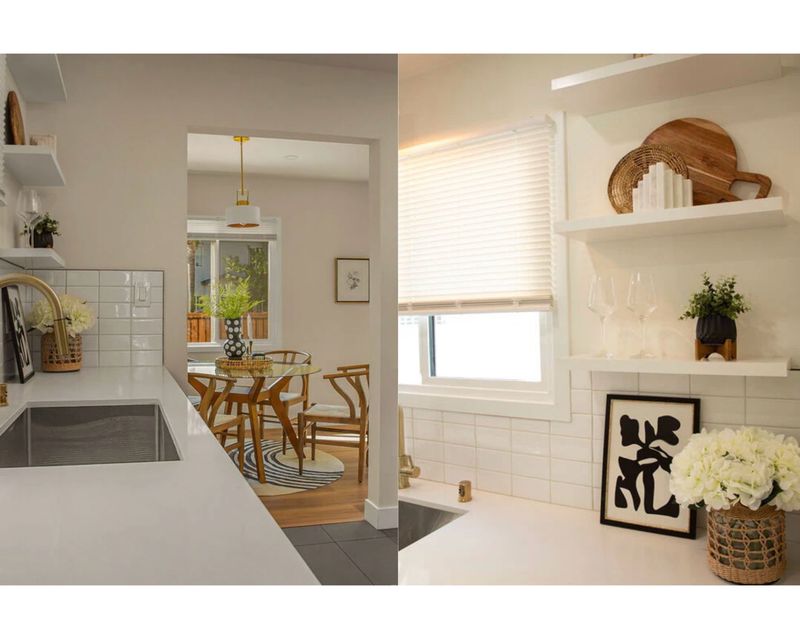
You don’t always need to move walls or spend thousands to freshen up your space. Sometimes, just a few smart changes can completely shift how your home feels. When you walk into a room that feels clean, modern, and easy to use, your mood changes right away. A brighter hallway, a tidier kitchen, or more space in the living room can give your whole home a fresh start without tearing it apart.
If your house feels a bit tired, you’re not alone. But the good news is that small fixes often lead to big results when you focus on the things you use every day.
If your house feels a bit tired, you’re not alone. But the good news is that small fixes often lead to big results when you focus on the things you use every day.

Source: Unsplash (CC0)
Start with the spaces you use most
Think about where you spend the most time. It might be your kitchen, your bedroom, or even the bathroom. These spaces can usually benefit from simple changes like better lighting, fresh paint, or more useful storage.
By updating just one or two of these spots, you’ll notice the whole house starts to feel different. Even replacing drawer handles or hanging some open shelves can make a room feel more put together and less cluttered.
Focus on how the space works
Sometimes it’s not about what something looks like, but how it works. A hallway with better hooks, a bathroom with smart storage, or a kitchen with easier-to-reach tools all make your life smoother.
This is where remodelers can offer helpful ideas that you might not think of right away. They often suggest practical updates that look great and actually help you enjoy your space more.
Use lighting to create a fresh feeling
Swapping out lights can completely change the vibe of a room. A dim hallway becomes welcoming with a brighter bulb, and a living room feels cosier with warm light in the evening.
Layering lights is another trick. Try using a mix of ceiling lights, lamps, and wall lights so you can change the mood depending on the time of day or how you’re using the room.
Make storage part of the design
Too much stuff lying around makes any home feel smaller and more stressful. One way to make a big difference is by finding smart storage that fits your space and style.
Use under-bed drawers, baskets, wall hooks, or built-in shelves to keep things tidy but easy to reach. It doesn’t take long before a neater space starts feeling like a brand-new one.
Think ahead while you're updating
When you’re making small updates, it’s smart to also think about how those choices will hold up in the future. Using strong materials, adding energy-saving lights, or switching to water-saving fixtures can help you future-proof your home.
These upgrades may seem small now, but they’ll save time, money, and stress down the road–especially if you decide to sell or grow your family.
Even small updates can breathe new life into your home and make you happier and more content. By focusing on what you use every day, making your space work better, and thinking about the future, you can turn a house that feels tired into one that feels exciting again. Small steps really do add up.
Get a FREE interior design consultation with membership: https://yourdesignguide.design.blog/
- Published on

A Spanish-style bathroom blends Old World charm with earthy elegance. Here are some beautiful design ideas to bring that look to life:
1. Warm, Earthy Color Palette
2. Hand-Painted Talavera Tiles
3. Arched Elements
5. Rustic Wood Accents
8. Textiles & Accessories
1. Warm, Earthy Color Palette
- Walls: Textured stucco in warm tones like terracotta, sand, ochre, or soft ivory.
- Accents: Deep blues, rusty reds, olive greens.
- Ceiling: Wooden beams or painted details for authenticity.
2. Hand-Painted Talavera Tiles
- Vanity backsplash or shower niches with colorful Talavera patterns.
- Use on the floor, around a mirror, or even as a statement wall.
- Geometric and floral designs work beautifully.
3. Arched Elements
- Doorways or shower entrances with a soft arch.
- Niche shelving or mirrors in arched shapes adds a classic Spanish architectural touch.
- Light fixtures, towel bars, mirror frames, or shelving brackets.
- Go for dark bronze or matte black finishes for an old-world vibe.
5. Rustic Wood Accents
- A dark-stained vanity with ornate woodwork.
- Exposed wood ceiling beams or wood-framed mirrors.
- Oil-rubbed bronze or antique brass faucets.
- Pedestal sinks or a freestanding bathtub with claw feet.
- Use encaustic cement tiles or ceramic lookalikes with intricate Mediterranean patterns.
- Keep the floor a central focal point.
8. Textiles & Accessories
- Woven baskets, embroidered towels, and vintage rugs.
- Add some greenery with succulents or olive branches in clay pots.


- Published on
The Weekender: Best of Interior Design from the Web (April 7–12, 2025)
Welcome to The Weekender, your weekly roundup of standout interior design inspiration from around the web. From bold trends unveiled at Milan to smart space-saving makeovers, here’s what had the design world buzzing this week.
Trend Watch: What’s Hot in Interior Design
Spa-Like Serenity at Home
Bedroom Dos and Don’ts
Visual Inspiration
Design Reads
A Spanish Revival style bathroom: read all about the elements used here.
Welcome to The Weekender, your weekly roundup of standout interior design inspiration from around the web. From bold trends unveiled at Milan to smart space-saving makeovers, here’s what had the design world buzzing this week.
Trend Watch: What’s Hot in Interior Design
- Retro Futurism in the Kitchen
Robert Downey Jr.’s kitchen, designed by Fox-Nahem Associates, is a wild yet elegant take on retro-futurism. Think sleek curves, metallic finishes, and 1980s sci-fi drama—balanced with warmth and organic texture. Homes & Gardens dives into the story behind this imaginative space. - Design Trends for 2026 Revealed at Milan Design Week
The Times recaps the eight major design trends forecasted at Milan Design Week. From a bold “barolo” color trend to the return of ceiling statement lights and a shift from stealth wealth to expressive maximalism—2026 is shaping up to be anything but boring. -
- Parisian Studio Transformed by a Sofa Bed
In Architectural Digest’s spotlight, designer Mathilde Cavé reinvents a tiny 430-square-foot Paris studio. The green sofa bed becomes the anchor for a design that fuses vintage finds, layered textiles, and a charming city view.
Spa-Like Serenity at Home
- Bathroom Retreat in Peters Township
Pittsburgh Magazine highlights Seashal Belldina’s bathroom renovation—an inviting blend of alabaster, dolomite, and Calacatta marble. The result? A cozy guest bathroom transformed into a spa-like sanctuary.
Bedroom Dos and Don’ts
- Avoid These Common Bedroom Decorating Mistakes
Southern Living outlines 8 decorating traps to avoid in your bedroom. From ignoring window treatments to skipping texture and layering, designers share practical fixes for creating a cozy, restful space.
Visual Inspiration
- Interior Design Trends for 2025
Vogue shares the emerging styles that are shaping interiors this year. Expect to see a move toward tactile materials, sculptural lighting, and bold, nature-inspired palettes.
Design Reads
- Top Interior Design Magazines to Follow
Stay plugged into the design world with this list of 20 must-follow interior design publications from Foyr. From glossy print staples to rising digital voices, it’s a bookmark-worthy roundup for design lovers.
A Spanish Revival style bathroom: read all about the elements used here.
Get a FREE interior design consultation with membership: https://yourdesignguide.design.blog/
- Published on


- Published on

Designing a small entryway requires maximizing space, enhancing functionality, and creating a welcoming atmosphere. Here are some key design tips:
1. Use Space-Saving Furniture
• Wall-mounted shelves: Great for keys, mail, and small decor.
• Slim console table: If space allows, choose a narrow table with storage underneath.
• Bench with storage: A compact bench with hidden compartments provides seating and organization.
2. Optimize Wall Space
• Hooks or a peg rail: Hang coats, bags, and hats to keep the space clutter-free.
• Mirrors: Reflect light and create the illusion of a larger space. A round or oversized mirror works well.
3. Choose Light Colors & Reflective Surfaces
• Light, neutral tones like white, beige, or soft gray make the entry feel open.
• Glossy or mirrored accents help bounce light around the space.
4. Add Functional Storage
• Baskets & bins: Store shoes, umbrellas, and other small items.
• Wall-mounted mail organizer: Keep important papers tidy.
5. Define the Space
• Rug or runner: A small rug adds warmth and helps define the area.
• Statement lighting: A pendant light or stylish wall sconces add character without taking up floor space.

If you’re looking for help designing an entry, I offer a flat rate design here: https://www.jillseidnerinteriordesign.com/online-design.html

- Published on


- Published on

What a great storage idea!
- Published on

Featuring the design drawings and selections concept board for a new flat rate bathroom project currently working on.


- Published on
Credit - Pixabay CC0
Whether you’ve purchased a new property or need to give your home some TLC in 2025, safety should be the priority.
Protecting your property as well as the people and assets inside it doesn't have to be difficult. Use the following checklist for guidance and you won’t go wrong.
Prevent Weather Damage
Adverse weather can cause serious damage to the home. In the worst cases, it can threaten the safety of your family while also causing financial damages. Inadequate roofing is one of the most vulnerable features. Experts like A&J Professional Services can restore yours to full safety and function. Or replace it if necessary. Either way, quality roofing protects underneath while also supporting issues like insulation.
Other external features like windows and guttering need attention. Depending on your location, shutters or flood barriers may be necessary investments too.
Prevent Intruders
When thinking about home safety, potential security risks are the obvious concern. Adding the latest surveillance tech and security features is vital. For an extra layer of protection, you should design your backyard spaces to offer optimal visibility. Motion-detecting lights can also deter prospective thieves. However, it’s not only human intruders you must worry about. Pests could cause huge damage to your home and health.
So, ensuring that all potential entry points have been blocked off should be another key step. You should also clean up food spillages to reduce the attraction.
Credit - Pixabay CC0
Stop Online Attacks
The modern home has a lot of tech features connected online. From Smart home systems to TVs, consoles, and cell phones, we are all connected. Naturally, this does pose potential risks. Browsing through a NordVPN Account will keep your family protected. However, devices still require firewalls, antivirus software, and other security features. You should also take care to cover cameras on devices when not in use to prevent spying.
As long as you are aware of the latest scams too, you should be fine. So, you don’t need to fear cyber attacks against the home. You just have to know about them.
Prevent Accidents
While the threat of outside attacks play on the mind, internal dangers are more common. Fixing faults with your plumbing to stay on top of potential dangers is essential. Similarly, you should pay attention to electrical faults or dangers, especially if you have young children. Childproofing may also extend to covering sharp table edges or using softer flooring like carpet. So, if they do fall down, there won’t be an unscheduled trip to the E.R.
If nothing else, preventing accidents will put you in a far happier state of mind. This should leave you free to actually enjoy life in the property.
Be Prepared
Prevention is the best form of protection, but you can’t stop every problem. So, it’s equally important to be ready for every situation, investing in smoke alarms could potentially save lives. You must replace the batteries when required, though. You will also want to have a first-aid kit in place ready to deal with any injuries. Of course, any chemicals or medication should be stored safely out of the reach of kids.
Where possible, you should put some money aside for any emergency situations. When supported by good home insurance coverage, you’ll be fine.
- Published on

Little details like even the niches in your bathroom design matter! Thought given to size, tile, slab, decorative tile, are all considerations to take when remodeling.
Here are some design ideas for shower niches to enhance both functionality and aesthetics in your bathroom:
1. Classic Subway Tile Niche
Use white subway tiles for a timeless look.
Contrast with dark grout for definition.
Add a glass shelf for extra storage.
2. Bold Accent Niche
Use a different tile pattern or color inside the niche (e.g., mosaic, geometric, or Moroccan).
Frame with a metallic or contrasting border.
3. Full-Length Vertical Niche
Extend the niche from floor to ceiling for a sleek, modern design.
Ideal for walk-in showers with limited shelf space.
4. Recessed LED-Lit Niche
Install waterproof LED lighting inside for a luxurious spa feel.
Great for highlighting unique tile patterns.
5. Natural Stone or Marble Niche
Use marble or travertine for a high-end, organic look.
Blend seamlessly with surrounding shower walls.
6. Double or Triple Niche
Stack multiple niches vertically or horizontally for more storage.
Assign separate sections for different family members or product types.
7. Floating Shelf Niche
Incorporate built-in floating shelves inside the niche.
Wood or quartz shelves can add warmth and contrast.
8. Arched or Curved Niche
Add a soft, elegant touch with an arched design.
Pair with vintage or Mediterranean-style tiles.
9. Hidden or Corner Niche
Tuck the niche in a less visible area for a minimalist look.
Great for small showers to maximize space.
10. Frameless Glass Niche
Use glass panels for a seamless, floating effect.
Helps to maintain an open and airy feel in small bathrooms.
like)?
All images via Pinterest.


If you're looking for help with a bathroom design, I offer a flat rate full bathroom design. Details here.