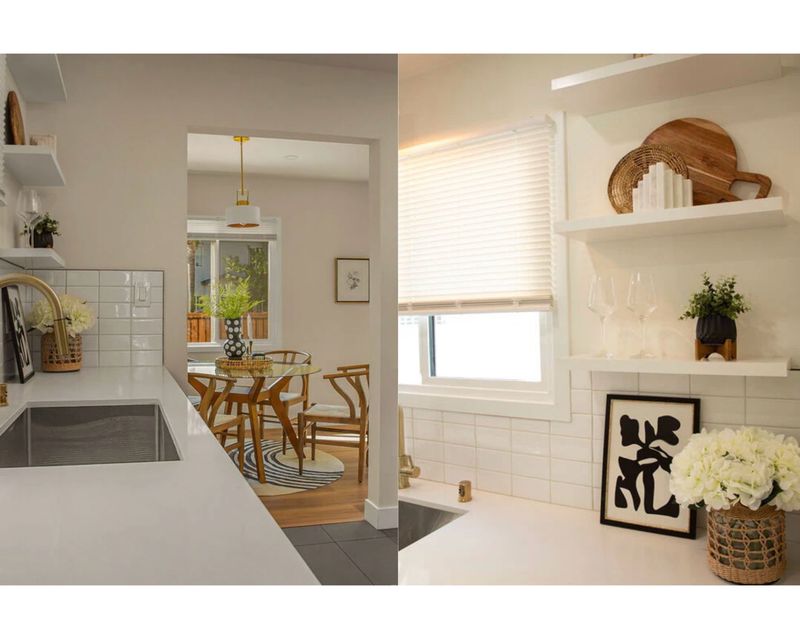
- Published on

1. Use Space-Saving Furniture
• Wall-mounted shelves: Great for keys, mail, and small decor.
• Slim console table: If space allows, choose a narrow table with storage underneath.
• Bench with storage: A compact bench with hidden compartments provides seating and organization.
2. Optimize Wall Space
• Hooks or a peg rail: Hang coats, bags, and hats to keep the space clutter-free.
• Mirrors: Reflect light and create the illusion of a larger space. A round or oversized mirror works well.
3. Choose Light Colors & Reflective Surfaces
• Light, neutral tones like white, beige, or soft gray make the entry feel open.
• Glossy or mirrored accents help bounce light around the space.
4. Add Functional Storage
• Baskets & bins: Store shoes, umbrellas, and other small items.
• Wall-mounted mail organizer: Keep important papers tidy.
5. Define the Space
• Rug or runner: A small rug adds warmth and helps define the area.
• Statement lighting: A pendant light or stylish wall sconces add character without taking up floor space.


- Published on


These are really elegant as well.
Stuck on your own room? I'll design it for you. See my online design services →
- Published on

- Published on

Featuring the design drawings and selections concept board for a new flat rate bathroom project currently working on.


Planning a bathroom refresh? I'll design it for you. See my online design services →
- Published on
Whether you’ve purchased a new property or need to give your home some TLC in 2025, safety should be the priority.
Protecting your property as well as the people and assets inside it doesn't have to be difficult. Use the following checklist for guidance and you won’t go wrong.
Prevent Weather Damage
Adverse weather can cause serious damage to the home. In the worst cases, it can threaten the safety of your family while also causing financial damages. Inadequate roofing is one of the most vulnerable features. Experts like A&J Professional Services can restore yours to full safety and function. Or replace it if necessary. Either way, quality roofing protects underneath while also supporting issues like insulation.
Other external features like windows and guttering need attention. Depending on your location, shutters or flood barriers may be necessary investments too.
Prevent Intruders
When thinking about home safety, potential security risks are the obvious concern. Adding the latest surveillance tech and security features is vital. For an extra layer of protection, you should design your backyard spaces to offer optimal visibility. Motion-detecting lights can also deter prospective thieves. However, it’s not only human intruders you must worry about. Pests could cause huge damage to your home and health.
So, ensuring that all potential entry points have been blocked off should be another key step. You should also clean up food spillages to reduce the attraction.
Credit - Pixabay CC0
Stop Online Attacks
The modern home has a lot of tech features connected online. From Smart home systems to TVs, consoles, and cell phones, we are all connected. Naturally, this does pose potential risks. Browsing through a NordVPN Account will keep your family protected. However, devices still require firewalls, antivirus software, and other security features. You should also take care to cover cameras on devices when not in use to prevent spying.
As long as you are aware of the latest scams too, you should be fine. So, you don’t need to fear cyber attacks against the home. You just have to know about them.
Prevent Accidents
While the threat of outside attacks play on the mind, internal dangers are more common. Fixing faults with your plumbing to stay on top of potential dangers is essential. Similarly, you should pay attention to electrical faults or dangers, especially if you have young children. Childproofing may also extend to covering sharp table edges or using softer flooring like carpet. So, if they do fall down, there won’t be an unscheduled trip to the E.R.
If nothing else, preventing accidents will put you in a far happier state of mind. This should leave you free to actually enjoy life in the property.
Be Prepared
Prevention is the best form of protection, but you can’t stop every problem. So, it’s equally important to be ready for every situation, investing in smoke alarms could potentially save lives. You must replace the batteries when required, though. You will also want to have a first-aid kit in place ready to deal with any injuries. Of course, any chemicals or medication should be stored safely out of the reach of kids.
Where possible, you should put some money aside for any emergency situations. When supported by good home insurance coverage, you’ll be fine.
Stuck on your own room? I'll design it for you. See my online design services →
- Published on

1. Classic Subway Tile Niche
Use white subway tiles for a timeless look.
Contrast with dark grout for definition.
Add a glass shelf for extra storage.
2. Bold Accent Niche
Use a different tile pattern or color inside the niche (e.g., mosaic, geometric, or Moroccan).
Frame with a metallic or contrasting border.
3. Full-Length Vertical Niche
Extend the niche from floor to ceiling for a sleek, modern design.
Ideal for walk-in showers with limited shelf space.
4. Recessed LED-Lit Niche
Install waterproof LED lighting inside for a luxurious spa feel.
Great for highlighting unique tile patterns.
5. Natural Stone or Marble Niche
Use marble or travertine for a high-end, organic look.
Blend seamlessly with surrounding shower walls.
6. Double or Triple Niche
Stack multiple niches vertically or horizontally for more storage.
Assign separate sections for different family members or product types.
7. Floating Shelf Niche
Incorporate built-in floating shelves inside the niche.
Wood or quartz shelves can add warmth and contrast.
8. Arched or Curved Niche
Add a soft, elegant touch with an arched design.
Pair with vintage or Mediterranean-style tiles.
9. Hidden or Corner Niche
Tuck the niche in a less visible area for a minimalist look.
Great for small showers to maximize space.
10. Frameless Glass Niche
Use glass panels for a seamless, floating effect.
Helps to maintain an open and airy feel in small bathrooms.
like)?


If you're looking for help with a bathroom design, I offer a flat rate full bathroom design. Details here.
- Published on

Here are some helpful tips for designing a functional and stylish kitchen:
1. Plan the Layout
Work Triangle: Arrange the sink, stove, and refrigerator in a triangle to ensure efficiency.
Zoning: Create zones for cooking, prepping, cleaning, and storage to keep the space organized.
2. Maximize Storage
Use vertical space with tall cabinets or open shelving.
Add pull-out drawers, lazy Susans, and spice racks for better access.
Consider a pantry cabinet or wall if you have the space.
3. Choose Durable Materials
Countertops: Quartz, granite, or butcher block for durability and aesthetics.
Flooring: Use tile, hardwood, or luxury vinyl for easy maintenance.
Backsplashes: Opt for tiles or glass for a stylish and easy-to-clean finish.
4. Good Lighting
Combine ambient, task, and accent lighting:
Recessed or pendant lights for overall brightness.
Under-cabinet lights for prep areas.
Decorative fixtures for character.
5. Pick a Timeless Color Palette
Neutral tones (white, gray, beige) work well as a base.
Add pops of color with backsplashes, rugs, or décor.
6. Focus on Appliances
Invest in energy-efficient appliances to save on utility costs.
Choose designs that match the style of your kitchen.
7. Create Gathering Spaces
Include an island with seating or a breakfast bar if space allows.
Add a cozy nook for casual dining or socializing.
8. Incorporate Personal Style
Add unique cabinet hardware, vintage decor, or a bold accent wall.
Display items like cookbooks, plants, or utensils for a lived-in feel.
9. Plan for Ventilation
Use a high-quality range hood to reduce cooking odors and grease buildup.
10. Stay Organized
Use drawer dividers, wall hooks, or magnetic strips for utensils and knives.
Label pantry items and storage containers for easy access.
If you're looking for help designing your dream kitchen, I offer a flat rate kitchen design. Info here.
- Published on
Upgrade the Roofing

As such, the debate of wood shingles vs wood shakes is pointless in the California climate. These traditional roofing options offer little utility against fire and harsh winter conditions. A better option is composite roofing shingles. These engineered roofing shingles are fabricated from a combination of asphalt, fiberglass, and recycled polymers. They offer the highest wind, fire, and impact resistance on the market, making them ideal for stylishly withstanding the variable forces that winter conditions are sure to bring.
Improve the Insulation
There is no better time than winter to improve your home’s insulation. It will boost the R-value of the building envelope, helping create a stable interior temperature as the ambient temperatures cool. This establishes a more comfortable, energy-efficient environment for homeowners. On the topic of energy efficiency and eco-friendliness, it is increasingly trendy to opt for sustainable insulation solutions. Products such as recycled denim, sheep’s wool, and hemp offer R-values equal to or greater than traditional blow-in insulation products, all while offering lower toxicity and more sustainable sourcing.
Apply A Fresh Coat of Paint

Given the aforementioned fire proclivity in California, residents may want to consider an even more robust siding upgrade. Fiber cement can be fabricated into any of the most popular siding colors to give homeowners the exterior aesthetics they desire, along with a Class A fire rating.
Incorporate Low Maintenance Features
Life slows down in winter. It takes more time to get up and moving, dress warmly, and get out the door in colder temperatures. With this in mind, any low maintenance features will pay huge dividends during the winter months, saving time best spent enjoying a warm cup of coffee. Some ideas for low maintenance renovations include nonporous quartz countertops, luxury vinyl tile flooring, and stainless steel kitchen appliances.
Protect Against Moisture

Therefore, it is best to preempt any such episodes with the proper preparation. Guarantee a strong gutter and flashing infrastructure on the roof to keep runoff flowing in the correct direction. Look into how to waterproof basement walls to keep groundwater from threatening the foundation. Make sure that all landscaping is adequately sloped away from the home, installing slot drains as necessary to shield against backflow.
Consider Radiant Heating
Even during the summer, there is always a bit of nippiness in the hours just before dawn. By the time winter rolls around, the nippiness becomes more than just nippiness, and the chill tends to linger long after the break of day. One innovative idea is to install radiant floor heating to the flooring substrate. Using a series of app-controlled electric mats, radiant heating systems release heat up through the floor in a consistent, stovelike manner. This offers a more consistent, efficient heating experience than traditional forced-air systems, eliminating cold pockets and maximizing enjoyment of the home during all hours of the day.
Build a Sunroom
Transitional space is one of the top concepts in modern home design. Homeowners want to be able to seamlessly connect interior and exterior spaces for optimal enjoyment of their property. However, the exterior of the home is not always accessible during the winter months. One great way to create transitional space and leverage biophilic sensibilities in all seasons is through the creation of a sunroom. Glass walls and 12x12 outdoor tile systems for the floor can shape an impression of being outside while offering a degree of insulation from the chilly weather.
Handle the New Season in Stride with Essential Renovations
Even in the typically warm climate of southern California, winter brings with it some changing weather that requires special attention. From upgraded roofing to the addition of transitional space, consider any of the ideas listed above and embrace the new season. For more of the most trending home improvement and design tips, explore the resources at Jill Seidner Interior Design for ideas and inspiration today!
Author Bio
Andrea Erickson is a freelance writer who loves sharing her knowledge and expertise in renovation and Interior Design. She lives in her hometown of Austin, Texas where she enjoys spending time with her husband and decorating with her children. Andrea’s work as a freelance writer can be found on Building Product Advisor, a construction industry resource site.
- Published on

Unfortunately, not all home improvement projects pan out as expected. Whether it be a kitchen makeover that was more trouble than it was worth or a living room reconfiguration that just doesn’t look the part, nobody wants to take regress during a home design project.
That’s where we come in. From simple design tasks that require minimal effort to more in-depth renovations, keep reading as we explore some of the most clever design tips for maximizing style and functionality in a home.
Stick to the Basics

Fortunately, there are much more subtle--and affordable--ways to make a significant impact.
Simple decluttering and re-arrangement of furniture can bring fresh life to a space. Break out the paint stripper and lighten up the walls for a more inviting ambiance. Strategically use artwork and geometric artifacts to create accent walls that break up space. Carefully place some potted plants to appeal to biophilic sensibilities.
Prioritize Low Maintenance Features
It is difficult to muck up any type of design when it is new. What happens when the new wears off gives a design trend its staying power.
Now matter how expertly curated, peeling linoleum, fraying carpet, and stained countertop laminate is going to be an eyesore.
Therefore, one of the most fundamental principles of maximizing style and functionality during an interior makeover is to choose durable, low maintenance products. This will guarantee that the interior has a fresh aspect over time with minimal intervention required by the homeowner. Some ideas to consider are nonporous quartz countertops, stainless steel farmhouse sinks, and luxury vinyl tile flooring.
Spruce Up the Open Interior

However, despite the open interior’s many advantages in terms of energy efficiency, versatility, and light flow, it still takes some work to make it functional. Without the proper layout, an open interior can feel conspicuously like an empty box.
Use area rugs to break up space. Add acoustic art panels to walls to provide style and absorb sound that may otherwise transfer due to the lack of interior barriers. Look into decorative screen panels and demountable partition walls to create some privacy-adding barriers as needed.
Leverage the Power of Glass
Clean glass makes all of the difference. It breathes life into a space. It improves sight lines. It promotes light flow for improved energy efficiency.
Upgrading the windows is a great place to start. It will help improve the lighting and thermal efficiency of the home. Innovative low-E windows allow light to pass into the house without causing excess heat, making them an energy efficient option. New glass for sliding doors, commonly found in showers, connected patios, or in the pocket doors of home offices, can infuse fresh life into these areas. Glass pendant domes around lights create a sense of elegance for these essential home fixtures.
Pay Attention to Railings

Stately black railings help tie together modern interiors and add a bold touch of character to the space. Glass railings create a clean, crystalline aspect that keep natural light flowing throughout the interior and enhance the sense of spaciousness of the home. Wood railings elicit a homey vibe and offer one of the most versatile aesthetics for a wide range of interior design themes.
Update the Knobs and Fixtures
Similar to railings, it can be easy to overlook the importance of knobs and fixtures in home design. However, once you notice the power of next-level options, there is no turning back. Stainless steel is a great idea in both areas. Its shiny, metallic appearance provides a classy aspect that is nearly impossible to undermine. Ceramic vintage knobs can infuse your space with some timeless elegance. A pull-down sprayer faucet in the kitchen sink offers a bold focal point that offers unmatched utility in the kitchen.
The Details That Make a Stylish Statement in Home Design
When designing an interior, it is crucial to find the perfect balance between form and functionality. From basic tasks such as a fresh wall color to updated knobs and fixtures, consider any of the clever design ideas listed above that pack both a stylish and functional punch. For more of the latest trends shaping the contemporary design landscape, explore the resources at Jill Seidner Interior Design for ideas and inspiration today!
Author Bio
Andrea Erickson is a freelance writer who loves sharing her knowledge and expertise in renovation and Interior Design. She lives in her hometown of Austin, Texas where she enjoys spending time with her husband and decorating with her children. Andrea’s work as a freelance writer can be found on Building Product Advisor, a construction industry resource site.
- Published on

1. Define the Space
• Use a rug or flooring transition (e.g., tile inset) to visually distinguish the foyer from adjacent areas.
• Add an accent wall with paint, wallpaper, or decorative paneling.
2. Create a Focal Point
• Place a console table, bench, or statement piece of furniture.
• Hang a mirror for functionality and to reflect light, making the space feel larger.
• Include artwork or decorative items for personality.
3. Ensure Ample Lighting
• Install a chandelier or pendant light for an elegant look.
• Use table lamps or wall sconces for layered lighting.
4. Maximize Storage
• Add a coat rack, hooks, or a built-in closet for outerwear.
• Use a storage bench or baskets for shoes and other items.
5. Incorporate Seating
• Include a small bench, chair, or ottoman for convenience.
6. Pay Attention to Flooring
• Choose durable, easy-to-clean materials like tile, wood, or luxury vinyl.
• Add a stylish rug to soften the look and catch dirt.
7. Add Greenery
• Place a potted plant or vase of fresh flowers for a welcoming touch.
8. Personalize the Space
• Display family photos, meaningful objects, or unique decor pieces that reflect your personality.
9. Keep it Organized
• Use trays or bowls for keys and mail.
• Consider a small shelf or cubbies for everyday items.
10. Blend Function and Aesthetics
• Choose cohesive finishes and colors that complement your home’s overall style.
If you're looking for more help, I offer a flat rate entry design for just $250, details here.